🔍 Oklahoma All-on-6 Complete Guide: Comprehensive Dental Implant Solutions & Clinical Applications
Professional Dental Implant Solutions | Comprehensive Clinical Guide
📚 Related Articles 3585 articles
📋 Quick Navigation
🔍 Oklahoma All-on-6 Complete Guide: Comprehensive Dental Implant Solutions & Clinical Applications
In today's rapidly evolving dental implant landscape, Oklahoma All-on-6 has become an essential consideration for clinicians seeking predictable and long-lasting treatment outcomes. As patient expectations continue to rise and technology advances, understanding the intricacies of Oklahoma All-on-6 is more important than ever. This article provides a comprehensive, clinically-focused exploration of Oklahoma All-on-6, offering practical insights and evidence-based guidance.
Dental implantology has revolutionized restorative dentistry, offering patients solutions that restore function, aesthetics, and quality of life. Whether you're a seasoned implantologist or just beginning your journey, mastering Oklahoma All-on-6 is crucial for delivering optimal patient care. This article will guide you through the fundamental principles, advanced techniques, and practical considerations for successful implementation.
Specifically addressing Oklahoma All-on-6, this article draws from clinical experience and current evidence to provide practical guidance. Whether you're planning your first case or refining established protocols, you'll find valuable insights to support your clinical decisions.
📋 Dental Implant Solutions Overview
Core Treatment Modalities:
- All-on-X Protocol: Variable implant numbers (4-6) for full-arch rehabilitation with immediate loading options
- All-on-4 Technique: Standardized 4-implant protocol with tilted distal implants for posterior support
- Single Tooth Replacement: Individual implant crowns with customized emergence profiles
- Multiple Implant Cases: Strategic placement for bridge support and edentulous spans
- Implant Hybrid Bridges: Fixed full-arch prostheses with metal framework and acrylic teeth
- Implant Overdentures: Removable prostheses retained by 2-4 implants
- Immediate Placement: Extraction and implant placement in single procedure
- Immediate Loading: Provisional prosthesis delivery at time of surgery
Digital Workflow Components:
- CBCT Imaging: 3D bone assessment and anatomical evaluation
- Intraoral Scanning: Digital impressions without conventional materials
- Virtual Planning: Prosthetic-driven implant positioning software
- Surgical Guides: 3D printed templates for accurate placement
- Photogrammetry: High-precision digital impressions for multiple implants
- CAD/CAM Prosthetics: Computer-designed and manufactured restorations
Key Advantages:
- Predictability: Evidence-based protocols with high success rates
- Efficiency: Reduced treatment time with digital workflows
- Patient Satisfaction: Improved function, aesthetics, and quality of life
- Long-term Success: >95% 10-year survival with proper maintenance
- Versatility: Solutions for all clinical situations from single tooth to full-arch
- Technology Integration: Seamless digital workflow from planning to delivery
📋 Quick Clinical FAQ
Q: What is the success rate of dental implants?
A: >95% at 10 years with proper maintenance and patient selection.
Q: How long does implant treatment take?
A: 3-6 months for conventional loading, immediate loading possible in selected cases.
Q: What is the All-on-4 technique?
A: Full-arch rehabilitation using 4 strategically placed implants, with distal implants tilted to maximize bone contact.
Q: When is immediate loading possible?
A: Requires primary stability >35 Ncm, good bone quality, and patient selection.
Q: What is photogrammetry?
A: High-precision digital impression technique using photographs for accurate 3D implant position capture.
Q: How long do hybrid bridges last?
A: 10+ years with proper maintenance, though veneers may need repair/replacement.
Q: What is the difference between All-on-4 and All-on-X?
A: All-on-4 specifically uses 4 implants, All-on-X allows variable numbers (4-6) based on clinical needs.
Q: What maintenance is required for implant patients?
A: Professional cleaning every 6 months, annual radiographs, and daily home care.
📚 Deep Content Extension
💼 Business Applications
- Continuing education in implantology expands clinical capabilities and patient base
- Digital workflow reduces chair time, increasing practice efficiency and profitability
- In-house digital capabilities reduce laboratory costs and turnaround time
- Implant services can increase practice revenue by 30-50% with proper implementation
🔒 Clinical Outcomes
- 10-year implant survival rates exceed 95% in well-maintained patients
- Masticatory efficiency with implant prostheses approaches 85-95% of natural dentition
- Patient-reported outcomes show improved quality of life with implant-supported prostheses
🚀 Performance Optimization
- Optimize surgical workflow with standardized instrument kits
- Use digital planning to reduce surgical time by 25-40%
- Implement immediate loading protocols for selected cases
- Utilize photogrammetry for efficient full-arch impressions
- Develop in-house CAD/CAM capabilities for faster turnaround
- Create recall system for implant maintenance and monitoring
💡 Original Tips & Clinical Pearls
Here are practical tips derived from clinical experience:
⚡ Efficiency Tips
- Use treatment planning software to create visual treatment simulations
- Pre-plan implant positions on CBCT with prosthetic-driven approach
- Develop a network of specialists for multidisciplinary case collaboration
- Use color-coding for different implant platforms to prevent mix-ups
🔧 Surgical Tips
- Place implants at least 1.5mm from adjacent teeth and 3mm between implants
- Take periapical radiographs with guide pins to verify position before placement
- Use surgical guides for accuracy, but verify position freehand if needed
- Verify 3D position with paralleling pins before final implant placement
🦷 Prosthetic Tips
- Use vinyl polysiloxane bite registration for accurate mounting
- Apply antiseize lubricant to titanium screws to prevent galling
- Verify passive fit with screw resistance test and radiographs
💻 Digital Tips
- Create digital workflow protocol for staff training and consistency
- Verify digital impression accuracy by comparing with conventional impression
- Backup digital files in multiple locations to prevent data loss
👥 Patient Management Tips
- Address financial considerations early in treatment planning
- Develop recall system for implant maintenance
- Educate patients on home care for implant prostheses
🏢 Clinical Practice Solutions
For Oklahoma All-on-6, we offer the following clinical practice solutions:
- Single-tooth implant workflow for general practitioners can be completed in 3-4 visits
- Multiple implant cases benefit from digital planning to optimize implant positioning
- Full-arch rehabilitation requires comprehensive treatment planning and multidisciplinary approach
- Digital impression eliminates gag reflex and improves patient comfort
- Guided surgery reduces surgical time by 25-40% compared to freehand placement
Practice Implementation Recommendations:
- Start with simpler cases before advancing to complex procedures
- Develop standardized protocols for consistent outcomes
- Invest in appropriate technology based on case volume
- Build a referral network for multidisciplinary cases
- Track outcomes for continuous improvement
- Invest in team training for efficient workflows
Related Clinical Scenarios
Beyond the above, clinicians may encounter: Patient dissatisfaction, or Aesthetic complications. These can be managed with similar approaches.
Conclusion & Clinical Recommendations
This comprehensive guide has provided detailed information on Oklahoma All-on-6 for dental implant treatment. Successful implant dentistry requires attention to multiple factors and adherence to evidence-based protocols. Based on current evidence and clinical experience, we recommend the following:
- Comprehensive Planning: Always begin with prosthetic-driven planning. Define the final restoration first, then determine ideal implant positions. Utilize CBCT and digital planning software for optimal outcomes.
- Evidence-Based Protocols: Follow established protocols for your chosen technique. All-on-4, All-on-X, and other approaches have documented success when properly executed. Adherence to protocol details is essential for predictable outcomes.
- Patient Selection: Carefully evaluate patients for implant candidacy. Consider medical status, risk factors (smoking, bruxism), and patient expectations. Selected immediate loading candidates require strict criteria.
- Technology Integration: Embrace digital workflows for improved accuracy and efficiency. CBCT planning, surgical guides, digital impressions, and photogrammetry enhance treatment outcomes when properly implemented.
- Team Training: Invest in team education for consistent results. Surgical assistants, laboratory technicians, and restorative dentists should work as a coordinated team with standardized protocols.
- Long-term Maintenance: Establish recall systems for implant patients. Regular professional maintenance and patient education are essential for long-term success and complication prevention.
- Outcome Documentation: Track your cases for continuous improvement. Document complications, successes, and patient-reported outcomes to refine your techniques over time.
We hope this guide supports your clinical success with Oklahoma All-on-6. Remember that implant dentistry is a rewarding field that continuously evolves with new evidence and technology. For specific case questions or additional support, please contact our team. We're committed to helping you achieve optimal outcomes for your patients.
Thank you for reading!
🏢 About Us
SDS is a professional dental implant solutions provider, focusing on advanced implant technology and comprehensive digital workflows. Founded in 2015 and headquartered in Zhuhai, China, the company is committed to providing cutting-edge implant solutions for dental professionals.
Our Mission
To empower dental professionals with innovative implant solutions that restore smiles and improve patients' quality of life through precision, reliability, and excellence.
Our Vision
To become the most trusted dental implant solution partner worldwide, creating a comprehensive platform for digital implant dentistry.
Core Advantages
- Expert Team: 30+ experienced implantologists and dental technicians with 10+ years of clinical experience
- Success Stories: Served 500+ dental clinics worldwide, covering All-on-X, All-on-4, and full-arch rehabilitation cases
- Full Support: From initial consultation to post-operative follow-up, providing comprehensive guidance throughout the treatment process
- Resource Integration: Long-term partnerships with leading implant manufacturers, digital equipment providers, and dental laboratories
- After-sales Support: Continuous technical support, training updates, and clinical guidance after solution implementation
Our Journey
- 2015: Company founded, focusing on traditional implant solutions
- 2017: Expanded to All-on-4 and full-arch rehabilitation techniques
- 2019: Launched digital implant workflow division
- 2020: Established implant training academy for hands-on courses
- 2022: Reached 500+ clinics served across 30+ countries
- 2024: Introduced AI-powered implant planning and photogrammetry solutions
Accreditations & Partnerships
- International Congress of Oral Implantologists (ICOI) Member
- European Association for Osseointegration (EAO) Partner
- ISO 13485:2016 Certified for Medical Devices
- Strategic Partner of Leading Implant Manufacturers
- Official Training Center for Digital Implantology
- SGS Certified Quality Management System
🔧 Our Services
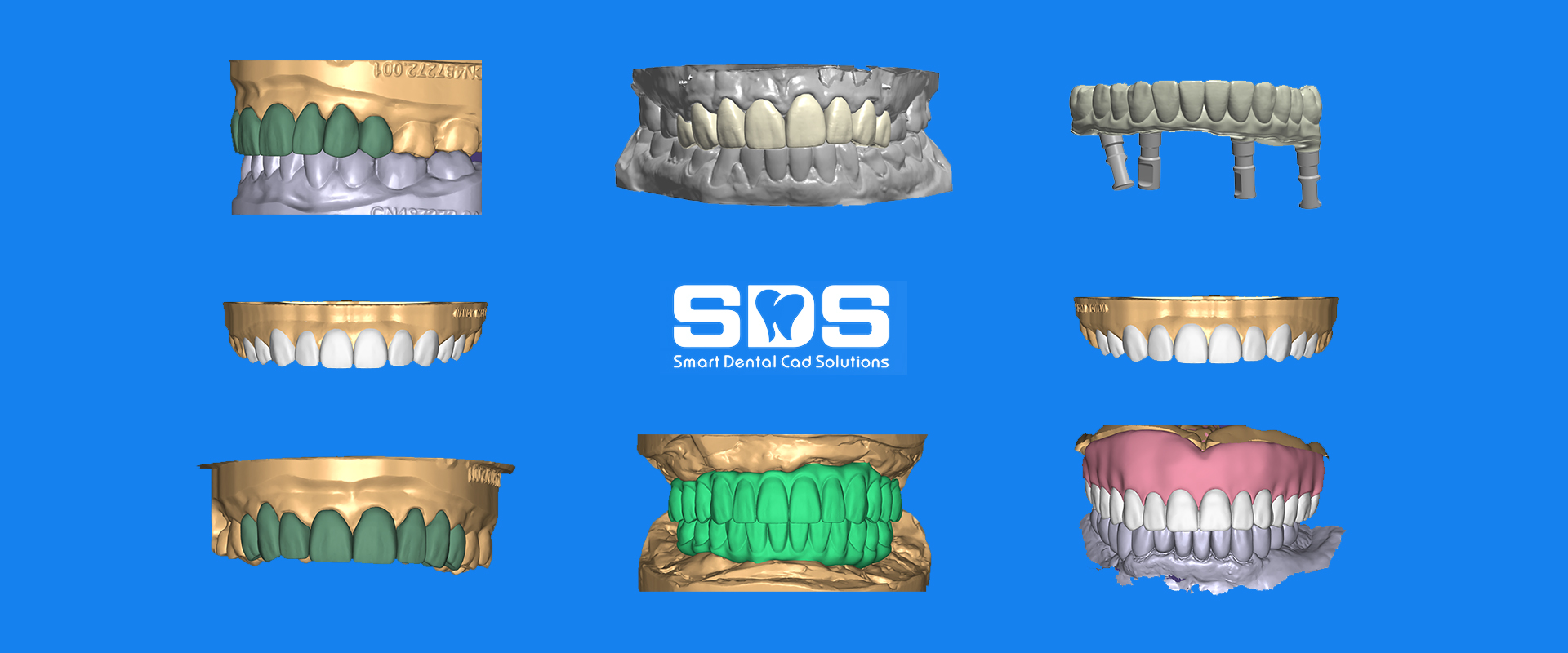
We offer comprehensive dental implant solutions covering All-on-X, All-on-4, digital workflows, and specialized implant techniques to meet the diverse needs of dental professionals.
I. All-on-X Complete Solutions
- Treatment Planning: Comprehensive patient assessment and virtual treatment planning
- Surgical Guide Design: Custom surgical guide fabrication for precise implant placement
- Prosthetic Solutions: Immediate loading protocols and final restoration options
- Material Selection: Guidance on implant selection based on bone density and clinical requirements
- Training Programs: Hands-on training for All-on-X techniques and protocols
- Case Support: Remote and on-site support for complex All-on-X cases
- Follow-up Care: Post-operative monitoring and maintenance protocols
II. All-on-4 Technique Specialists
- Protocol implementation guidance
- Tilted implant placement techniques
- Immediate loading protocols
- Prosthetic design optimization
- Complication management strategies
- Long-term success monitoring
III. Dental Implant Solutions
- Single tooth replacement planning
- Multiple implant case management
- Full-arch rehabilitation protocols
- Zygomatic implant techniques
- Pterygoid implant placement
- Narrow diameter implant solutions
IV. Digital Implant Solutions
- CBCT integration and 3D planning
- Intraoral scanning protocols
- CAD/CAM workflow implementation
- Digital smile design integration
- Virtual patient concept
- Cloud-based case management
V. Implant Photogrammetry
- Photogrammetry system setup guidance
- Accuracy optimization protocols
- Digital impression techniques
- Real-time tracking systems
- Multi-unit abutment scanning
- Digital workflow integration
VI. Implant Hybrid Bridge Solutions
- Design principles for hybrid bridges
- Material selection guidelines
- Fabrication workflows
- Maintenance and repair protocols
- Aesthetic optimization techniques
- Long-term performance monitoring
VII. Training Programs
- Basic Implantology Course (3 days)
- Advanced All-on-4 Workshop (2 days)
- Digital Workflow Masterclass (2 days)
- Photogrammetry Certification (1 day)
- Complication Management Course (2 days)
- Surgical & Prosthetic Hands-on (3 days)
- Live Patient Demonstration (2 days)
- Online Webinars & Case Discussions
VIII. Additional Services
- Clinic setup consultation
- Equipment selection guidance
- Team training programs
- Marketing support for implant services
- Annual maintenance contracts
- Emergency technical support
- International referral network
🏆 Case Studies
We have successfully supported 500+ dental clinics worldwide with various implant solutions. Here are some representative cases:
I. All-on-X Full Arch Rehabilitation
Case 1: Complete Edentulous Maxilla Rehabilitation
Background: 65-year-old patient with completely edentulous maxilla, insufficient bone volume in posterior regions.
Solution: All-on-X approach with 6 implants, including 2 tilted distal implants to bypass maxillary sinuses.
Treatment Time: 4 months (immediate loading with provisional, final restoration at 4 months)
Outcome: Successful osseointegration, patient satisfied with function and aesthetics. Prosthesis stable with no complications at 2-year follow-up.
Client Feedback: "The protocol guidance was invaluable. Our team now confidently performs All-on-X cases."
Case 2: Mandibular Full-Arch Rehabilitation with All-on-4
Background: 58-year-old patient with failing mandibular dentition, moderate bone atrophy.
Solution: All-on-4 technique with 4 implants, immediate loading protocol.
Treatment Time: 3 months
Outcome: Immediate function achieved, excellent primary stability. Final prosthesis delivered at 3 months with optimal aesthetics.
II. Digital Implant Workflow Implementation
Case 3: Fully Digital Workflow for Multiple Implants
Background: Dental clinic transitioning to digital workflow, needing guidance on intraoral scanning and CAD/CAM integration.
Solution: Comprehensive digital workflow implementation including scanning protocols, software training, and laboratory integration.
Timeline: 6 months
Outcome: Fully digital workflow established, treatment time reduced by 40%, improved accuracy and patient comfort.
III. Implant Photogrammetry Cases
Case 4: High-Precision Full-Arch Impression
Background: Large dental center seeking to improve accuracy of full-arch implant impressions.
Solution: Photogrammetry system implementation with complete protocol training.
Timeline: 2 months
Outcome: Impression accuracy improved significantly, prosthetic fit enhanced, remakes reduced by 70%.
IV. Implant Hybrid Bridge Solutions
Case 5: Complex Hybrid Bridge Rehabilitation
Background: Patient requiring full-arch restoration with hybrid bridge, concerned about aesthetics and function.
Solution: Custom-designed hybrid bridge with titanium framework and acrylic veneering.
Timeline: 5 months
Outcome: Excellent aesthetic results, patient reports normal chewing function, no complications at 1-year follow-up.
V. International Cases
Case 6: Zygomatic Implant Rehabilitation
Background: Patient with severe maxillary atrophy, unable to undergo bone grafting procedures.
Solution: Zygomatic implant placement with All-on-4 concept in maxilla.
Timeline: 6 months
Outcome: Successful implant integration, stable prosthesis, patient avoided complex bone grafting procedures.
📰 News & Updates
Stay updated with the latest developments in dental implant technology, clinical research, and industry trends.
I. Industry News
June 2025: New Digital Workflow Guidelines Published
The International Team for Implantology (ITI) has released updated consensus statements on digital workflows in implant dentistry, emphasizing the integration of intraoral scanning, CBCT, and CAD/CAM technologies for improved treatment outcomes.
Published: June 15, 2025
May 2025: Photogrammetry Accuracy Study Released
A multicenter study published in Clinical Oral Implants Research demonstrates that photogrammetry provides accuracy comparable to conventional impressions for full-arch implant cases, with significantly reduced patient discomfort.
Published: May 20, 2025
April 2025: New All-on-4 Research Findings
Long-term follow-up study (10 years) confirms the reliability of the All-on-4 treatment concept, with implant survival rates exceeding 95% and high patient satisfaction scores.
Published: April 10, 2025
II. Company News
June 2025: Partnership with Leading Implant Manufacturer
We are pleased to announce a strategic partnership with a major implant manufacturer to provide integrated solutions combining premium implants with our digital workflow expertise.
Published: June 5, 2025
May 2025: Successful All-on-X Masterclass in Singapore
Our 3-day intensive All-on-X masterclass in Singapore attracted 50 participants from 12 countries, featuring live surgeries and hands-on workshops.
Published: May 18, 2025
April 2025: New Training Center Opens in Dubai
We have expanded our training network with a new state-of-the-art facility in Dubai, offering comprehensive courses in All-on-4, digital workflows, and implant photogrammetry.
Published: April 22, 2025
III. Research Updates
Immediate Loading in All-on-X: Systematic Review
A systematic review published in the Journal of Prosthetic Dentistry confirms that immediate loading protocols in All-on-X cases, when properly selected, achieve success rates comparable to conventional loading.
Published: June 8, 2025
IV. Training Schedule
July 2025: All-on-4 Hands-on Workshop - London
Registration open for our July 25-27 workshop in London, featuring live surgeries, prosthetic demonstrations, and hands-on sessions with phantom models.
Published: June 10, 2025
August 2025: Digital Implant Solutions Webinar Series
Join our free 4-part webinar series covering intraoral scanning, CBCT integration, photogrammetry, and CAD/CAM workflows. Register online now.
Published: June 12, 2025
📞 Contact Us
We're here to help you achieve the best outcomes with your dental implant cases. Our team of experts is ready to provide personalized support.
Contact Information
Global Hotline: +86 18983848370 (24/7 support)
Consultation Line: +86 18983848370 (Weekdays 9:00-18:00)
Emergency Support: +86 18983848370 (24/7)
Email: dentalcadstudio@gmail.com
WhatsApp/WeChat: +86 18983848370
Office Locations
Global Headquarters (Zhuhai, China): 3rd Floor, Building B, No. 12 Pingbei Road, Nanping Science and Technology Industrial Park, Zhuhai, Guangdong Province, China
Frequently Asked Questions
- Is initial consultation free? Yes, initial phone/online consultation is complimentary.
- How soon can we schedule expert support? Usually within 24-48 hours for initial response.
- Do you provide on-site training? Yes, on-site training and case support available worldwide.
- Can I see case examples? Yes, we can share relevant case studies based on your specific needs.
🔒 Privacy Policy
This privacy policy explains how we collect, use, store, and protect your personal information. Please read this policy carefully to understand our practices.
I. Information Collection
We may collect your personal information in the following situations:
- Information You Provide: When you contact us via website forms, phone, or email, we collect information such as your name, contact details, clinic name, and professional credentials.
- Automatically Collected Information: When you visit our website, we may automatically collect technical information such as your IP address, browser type, access times, and pages visited.
- Cookie Information: We use cookies to enhance your browsing experience. You can disable cookies through your browser settings.
II. Use of Information
We may use your personal information for the following purposes:
- Responding to your inquiries and providing requested services
- Improving our website and services
- Sending important service notifications
- Conducting data analysis to understand user needs
- Complying with legal and regulatory requirements
We do not sell your personal information to third parties. We will not use it for other commercial purposes without your consent.
III. Information Storage
Your personal information is stored on secure servers. We implement industry-standard security measures to protect your information, including encrypted transmission, access controls, and firewalls.
IV. Information Sharing
We may share your information in the following circumstances:
- Service Providers: Sharing necessary information with partners who provide services on our behalf, subject to strict confidentiality requirements.
- Legal Requirements: Providing information when required by law or to comply with legal processes.
- Business Transfers: In the event of merger, acquisition, or asset sale, your information may be transferred with notice and continued protection under this policy.
V. Your Rights
You have the right to:
- Access: Request access to your personal information we hold
- Correction: Request correction of inaccurate information
- Deletion: Request deletion of your information under certain circumstances
- Withdraw Consent: Withdraw consent for processing your information
- Complaint: Lodge a complaint with supervisory authorities
To exercise these rights, contact us at: dentalcadstudio@gmail.com
VI. Policy Updates
We may update this privacy policy from time to time. Material changes will be notified through our website. Continued use of our services constitutes acceptance of the updated policy.
VII. Contact Us
For any questions about this privacy policy, please contact:
Email: dentalcadstudio@gmail.com
Phone: +86 18983848370
Address: 3rd Floor, Building B, No. 12 Pingbei Road, Nanping Science and Technology Industrial Park, Zhuhai, Guangdong Province, China
Last Updated: March 1, 2026
🔬 Dental Implant Surgery: Comprehensive Overview
Dental implant surgery is a procedure that replaces tooth roots with metal, screw-like posts and replaces damaged or missing teeth with artificial teeth that look and function much like real ones. This surgical procedure is the foundation for modern restorative dentistry.
Surgical Stages:
- Pre-operative Planning: Comprehensive assessment including CBCT imaging, medical history evaluation, and treatment planning
- Anesthesia Administration: Local anesthesia with or without sedation based on case complexity
- Incision and Flap Reflection: Creating access to the underlying bone while preserving vital structures
- Osteotomy Preparation: Sequential drilling to create the implant site with precise dimensions
- Implant Placement: Inserting the implant fixture with controlled torque to achieve primary stability
- Healing Abutment or Cover Screw Placement: Depending on one-stage or two-stage protocol
- Flap Closure: Suturing with appropriate technique for optimal healing
- Post-operative Care: Instructions, medications, and follow-up schedule
Surgical Approaches:
- Conventional (Two-Stage): Implant placed and submerged under gingiva for 3-6 months healing
- One-Stage: Healing abutment placed immediately, eliminating second surgery
- Immediate Placement: Implant placed immediately after tooth extraction
- Immediate Loading: Provisional restoration placed at time of surgery
- Guided Surgery: Computer-generated guides for precise implant positioning
- Flapless Surgery: Minimally invasive approach without flap elevation
Success Factors:
- Adequate bone volume and density
- Primary stability (>35 Ncm for immediate loading)
- Appropriate implant selection (diameter, length, surface)
- Proper surgical technique with minimal trauma
- Patient compliance with post-operative instructions
- Systemic health and healing capacity
- Absence of parafunctional habits
Contraindications:
- Absolute: Recent myocardial infarction, uncontrolled metabolic disease, IV bisphosphonates, active malignancy
- Relative: Smoking, poorly controlled diabetes, bruxism, poor oral hygiene, immunosuppression
Surgical Complications and Management:
- Bleeding: Pressure, hemostatic agents, vessel ligation if necessary
- Nerve Injury: Immediate referral, monitoring, possible surgical intervention
- Perforation: Sinus membrane repair, alternative implant position
- Inadequate Stability: Submerged healing, smaller diameter implant, bone grafting
- Infection: Antibiotics, drainage, possible implant removal
🧬 Osseointegration: The Biological Foundation of Implant Success
Osseointegration refers to the direct structural and functional connection between living bone and the surface of a load-bearing artificial implant. This biological phenomenon is the fundamental principle underlying all successful dental implant treatments.
Biological Process:
- Phase 1: Hemostasis and Inflammation (0-3 days): Blood clot formation, inflammatory cell infiltration, release of growth factors
- Phase 2: Proliferation and Angiogenesis (3-14 days): Fibroblast proliferation, new blood vessel formation, osteoblast recruitment
- Phase 3: Bone Formation (2-6 weeks): Osteoid deposition, mineralization, woven bone formation
- Phase 4: Bone Remodeling and Maturation (6 weeks-6 months): Lamellar bone formation, bone remodeling, functional adaptation
Factors Affecting Osseointegration:
- Implant Factors: Material (titanium, zirconia), surface topography (SLA, HA coating), design (threads, macro-design)
- Bone Factors: Bone density (Type I-IV), bone volume, healing capacity, vascularity
- Surgical Factors: Atraumatic technique, primary stability, minimal heat generation (<47°C)
- Patient Factors: Systemic health, medications (bisphosphonates, NSAIDs), smoking, oral hygiene
- Loading Factors: Timing of loading (immediate, early, conventional), occlusal forces
Assessment Methods:
- Clinical Evaluation: Absence of mobility, pain, infection, or peri-implant radiolucency
- Radiographic Assessment: Periapical radiographs, CBCT showing bone-implant contact
- Resonance Frequency Analysis: ISQ values >65 indicate successful osseointegration
- Periotest: Values between -8 and 0 indicate good integration
- Reverse Torque Testing: Not routinely recommended due to risk of disrupting integration
Enhancement Strategies:
- Surface modifications (hydrophilic surfaces, nanostructures)
- Growth factor application (BMPs, PRF, PRP)
- Platelet-rich fibrin (PRF) membranes
- Bone grafting materials in deficient sites
- Controlled loading protocols
- Pharmacological enhancement (systemic or local)
⚙️ Implant Placement: Techniques and Considerations
Implant placement is the surgical procedure of inserting a dental implant into the jawbone. The success of this procedure depends on careful planning, precise execution, and appropriate prosthetic planning.
Placement Protocols:
- Timing Relative to Extraction:
- Type 1: Immediate placement (same day as extraction)
- Type 2: Early placement (4-8 weeks post-extraction)
- Type 3: Conventional placement (3-6 months post-extraction)
- Type 4: Delayed placement (>6 months, after complete healing)
- Loading Protocols:
- Immediate loading: Prosthesis placed within 48 hours
- Early loading: Prosthesis placed between 48 hours and 3 months
- Conventional loading: Prosthesis placed after 3-6 months healing
- Delayed loading: Prosthesis placed after >6 months
Surgical Techniques:
- Freehand Placement: Traditional approach using anatomical landmarks and surgical experience
- Guided Surgery: Using computer-generated surgical guides for precise positioning
- Dynamic Navigation: Real-time tracking of instruments during surgery
- Robotic-Assisted Placement: Robotic guidance for sub-millimeter accuracy
Positioning Guidelines:
- Mesio-distal: At least 1.5mm from adjacent teeth, 3mm between implants
- Bucco-lingual: Centered in available bone, at least 1.5mm from buccal plate
- Apico-coronal: 3-4mm below cementoenamel junction of adjacent teeth, 2mm below gingival margin in aesthetic zone
- Angulation: Prosthetically-driven, parallel to adjacent teeth/implants when possible
Primary Stability Assessment:
- Insertion Torque: 35-45 Ncm optimal for immediate loading
- ISQ Values: >65 indicates good stability
- Clinical Assessment: No visible mobility, solid bone engagement
🫁 Sinus Lift / Sinus Augmentation: Techniques and Protocols
Sinus lift, also known as sinus augmentation, is a surgical procedure that increases bone height in the posterior maxilla by elevating the sinus membrane and placing bone graft material in the sinus floor. This procedure enables implant placement in areas with insufficient bone height due to sinus pneumatization.
Indications:
- Insufficient bone height (<8-10mm) in posterior maxilla for implant placement
- Pneumatized maxillary sinus extending into edentulous areas
- Moderate to severe bone atrophy in posterior maxilla
- When shorter implants (<8mm) are contraindicated or suboptimal
Surgical Approaches:
- Lateral Window Technique ( Caldwell-Luc ):
- Indicated for >4-6mm bone height deficiency
- Bone window created in lateral sinus wall
- Schneiderian membrane carefully elevated
- Graft material placed between membrane and sinus floor
- Simultaneous or staged implant placement
- Transalveolar (Osteotome) Technique:
- Indicated for 2-4mm bone height deficiency
- Approach through implant osteotomy site
- Osteotomes used to fracture sinus floor and elevate membrane
- Graft material placed through osteotomy
- Implant placed simultaneously
Graft Materials:
- Autograft: Patient's own bone (gold standard, osteogenic, osteoinductive, osteoconductive)
- Allograft: Donor bone (osteoconductive, some osteoinductive potential)
- Xenograft: Bovine, porcine, or equine bone (osteoconductive only)
- Alloplast: Synthetic materials like hydroxyapatite, tricalcium phosphate (osteoconductive)
- Combinations: Often mixed with PRF, PRP, or growth factors
Complications and Management:
- Membrane Perforation: Most common complication (10-30% of cases). Small perforations can be repaired with collagen membrane; large perforations may require termination of procedure.
- Post-operative Infection: Antibiotics, drainage, possible graft removal in severe cases
- Sinusitis: Medical management with decongestants, antibiotics; surgical intervention if chronic
- Graft Failure: Inadequate vascularization, infection, or patient factors
- Bleeding: Usually controlled with pressure and hemostatic agents
Healing Time:
- Simultaneous Placement: 4-6 months healing before prosthetic loading
- Staged Approach: 6-9 months graft healing before implant placement, then additional 3-6 months implant healing
Success Rates:
- Lateral window technique: 92-98% 5-year implant survival
- Transalveolar technique: 94-99% 5-year implant survival
- Complication rate: 10-20% (mostly minor and manageable)
🦴 Bone Grafting: Principles and Applications
Bone grafting is a surgical procedure that replaces missing bone with material from the patient's own body, a donor, or a synthetic substitute. In implant dentistry, bone grafting is essential for reconstructing deficient alveolar ridges to enable implant placement.
Graft Materials Classification:
- Autografts:
- Source: Patient's own bone (intraoral: chin, ramus, tuberosity; extraoral: iliac crest, tibia, calvarium)
- Advantages: Osteogenic, osteoinductive, osteoconductive, no immunologic reaction
- Disadvantages: Donor site morbidity, limited quantity, additional surgical site
- Allografts:
- Source: Human cadaver bone (fresh-frozen, freeze-dried, demineralized freeze-dried)
- Advantages: No donor site, abundant supply, various forms available
- Disadvantages: Osteoconductive only (DFDBA has some osteoinductive potential), theoretical disease transmission risk
- Xenografts:
- Source: Bovine, porcine, equine, or coral-derived bone
- Advantages: Abundant supply, no donor site, good osteoconductive properties
- Disadvantages: Slow resorption, only osteoconductive
- Alloplasts:
- Source: Synthetic materials (hydroxyapatite, tricalcium phosphate, bioactive glass, polymers)
- Advantages: Unlimited supply, no disease risk, predictable properties
- Disadvantages: Only osteoconductive, variable resorption rates
- Growth Factors:
- Source: Recombinant (BMP-2, PDGF), autologous (PRF, PRP)
- Advantages: Enhance bone formation, stimulate healing
- Disadvantages: Cost, regulatory considerations, variable efficacy
Grafting Techniques:
- Guided Bone Regeneration (GBR): Using barrier membranes to exclude soft tissue and allow bone formation
- Onlay Grafting: Block grafts fixed to deficient ridge for horizontal or vertical augmentation
- Inlay Grafting: Graft placed within bone (sinus lift, interpositional)
- Socket Preservation: Graft placed in extraction socket to maintain ridge dimensions
- Ridge Expansion: Splitting or spreading narrow ridge to accommodate implants
- Distraction Osteogenesis: Gradual bone expansion using mechanical device
Membrane Types:
- Resorbable: Collagen (bovine, porcine), synthetic polymers - no removal surgery needed
- Non-resorbable: ePTFE, titanium mesh - require removal, better space maintenance
- Biological: PRF membranes, acellular dermal matrix
Healing Timeline:
- Socket Preservation: 3-4 months before implant placement
- GBR with Simultaneous Implants: 4-6 months before uncovering/loading
- GBR with Staged Approach: 6-9 months graft healing before implants
- Block Grafts: 4-6 months graft integration before implants
- Sinus Lift: 4-6 months (simultaneous) to 9 months (staged)
⛰️ Ridge Augmentation / Ridge Expansion: Techniques for Deficient Ridges
Ridge augmentation refers to surgical procedures that increase the volume of the alveolar ridge to enable implant placement in optimal positions. Ridge expansion is a specific technique for widening narrow ridges without significant bone addition.
Types of Ridge Deficiencies:
- Horizontal Deficiency: Insufficient ridge width (typically <5-6mm for standard implants)
- Vertical Deficiency: Insufficient ridge height (often requiring complex augmentation)
- Combined Deficiency: Both horizontal and vertical components
- Saddle Deformity: Three-dimensional defect with horizontal and vertical loss
Augmentation Techniques by Defect Type:
Horizontal Augmentation:
- Guided Bone Regeneration (GBR): Particulate graft + membrane over defect
- Ridge Expansion/Splitting: Osteotomes or piezoelectric surgery to split narrow ridge
- Onlay Block Graft: Autogenous or allogeneic block fixed to buccal aspect
- Venner's Sandwich Technique: Interpositional graft between split cortical plates
Vertical Augmentation:
- Onlay Block Graft: Autogenous blocks for significant vertical gain
- Guided Bone Regeneration: Reinforced membranes, titanium mesh, or tenting screws
- Interpositional Graft: Sandwich technique with osteotomy and graft placement
- Distraction Osteogenesis: Gradual vertical bone expansion
- Nerve Transposition: For posterior mandible with limited height above IAN
Combined Augmentation:
- Customized approach combining multiple techniques
- Titanium mesh with particulate graft
- Custom CAD/CAM blocks for complex defects
- Staged approach with primary horizontal then secondary vertical
Ridge Expansion Technique:
- Indications: Narrow ridge (3-5mm) with adequate bone height and cancellous bone between cortices
- Procedure:
- Midcrestal incision with vertical releases
- Initial osteotomy with small diameter bur
- Progressive expansion using osteotomes of increasing diameter
- Greenstick fracture of buccal plate
- Implant placement with or without graft material in gap
- Primary closure
- Advantages: Single procedure, reduced treatment time, autogenous bone chips from expansion
- Limitations: Risk of buccal plate fracture, limited to 2-3mm expansion, requires compliant bone
Success Factors:
- Adequate blood supply and vascularization
- Stable graft fixation and immobility
- Primary closure and soft tissue healing
- Infection prevention
- Patient compliance with healing protocol
- Adequate healing time before implant placement
🦷 Alveolar Bone: Anatomy, Physiology, and Clinical Significance
The alveolar bone is the thickened ridge of bone that contains the tooth sockets (dental alveoli) in the maxilla and mandible. Understanding alveolar bone anatomy and physiology is fundamental to successful implant dentistry.
Anatomical Structure:
- Cortical Bone: Dense outer layer providing strength and implant stability
- Cancellous (Trabecular) Bone: Inner porous network containing bone marrow and blood vessels
- Alveolar Bone Proper: Thin layer of bone lining the socket (cribriform plate)
- Bundle Bone: Specialized bone where periodontal ligament fibers insert
- Basal Bone: Bone apical to tooth sockets, remains after tooth loss
Bone Classification (Lekholm and Zarb):
- Type I: Homogeneous compact bone (primarily cortical, minimal trabecular)
- Type II: Thick cortical bone with dense trabecular bone
- Type III: Thin cortical bone with dense trabecular bone
- Type IV: Thin cortical bone with low-density trabecular bone (poor quality)
Bone Density Distribution:
- Anterior Mandible: Type I-II (highest density)
- Posterior Mandible: Type II-III
- Anterior Maxilla: Type II-III
- Posterior Maxilla: Type III-IV (lowest density)
Alveolar Bone Remodeling After Tooth Loss:
- First 6 months: 40-60% reduction in ridge width
- First year: 25% reduction in ridge height
- Long-term: Progressive atrophy, more pronounced in mandible (2-4x faster than maxilla)
- Pattern: Greater loss on buccal aspect due to bundle bone resorption
Clinical Assessment:
- Clinical Examination: Ridge width assessment by palpation, bone sounding under anesthesia
- Radiographic Evaluation:
- Periapical: Limited 2D information
- Panoramic: Overall assessment, anatomical structures
- CBCT: Gold standard - 3D evaluation of bone dimensions, density, and vital structures
- Bone Density Measurement:
- Hounsfield Units (HU) on CBCT: >1250 HU (Type I), 850-1250 HU (Type II), 350-850 HU (Type III), <350 HU (Type IV)
- Surgical perception: Drilling resistance provides clinical feedback
Implant Considerations by Bone Type:
- Type I (Dense): Under-preparation protocol, slower drilling speed, copious irrigation to prevent overheating
- Type II-III (Moderate): Standard preparation protocol
- Type IV (Soft): Over-preparation avoidance, osteotome condensation, longer implants, extended healing time
🧠 Inferior Alveolar Nerve (IAN): Anatomy and Surgical Protection
The inferior alveolar nerve (IAN) is a branch of the mandibular division of the trigeminal nerve (CN V3). It provides sensory innervation to the mandibular teeth, lower lip, and chin. Protection of the IAN during implant surgery is critical to prevent permanent sensory disturbance.
Anatomy and Course:
- Origin: Mandibular foramen on medial aspect of mandibular ramus
- Course: Runs within the mandibular canal, inferior to tooth roots
- Mental Branch: Exits at mental foramen (usually between premolars) to supply chin and lower lip
- Incisive Branch: Continues anteriorly to supply anterior teeth and adjacent structures
- Position: Typically 3-5mm from root apices, 4-6mm from buccal cortex, 2-4mm from lingual cortex
Radiographic Assessment:
- Panoramic Radiograph: Initial assessment, but distortion and magnification (20-30%) limit accuracy
- CBCT: Essential for accurate 3D localization:
- Determine distance from alveolar crest to IAN
- Identify bifid canals (15-20% incidence)
- Assess buccal-lingual position (important for implant trajectory)
- Measure available bone above IAN
- Safety Margin: 2mm recommended minimum distance from implant to IAN
Surgical Approaches to Avoid IAN Injury:
- Short Implants: Using implants that stop 2mm above IAN when vertical bone is limited
- Tilted Implants: Angling implants to bypass IAN (e.g., All-on-4 distal implants)
- Lateralization/Transposition: Surgical repositioning of IAN to allow longer implants - significant morbidity risk
- Nerve Repositioning: Moving nerve buccally during implant placement - reserved for severe atrophy
- Guided Surgery: Precise placement based on CBCT planning to maintain safety margin
IAN Injury Classification:
- Neuropraxia: Temporary conduction block, complete recovery within weeks to months
- Axonotmesis: Axonal damage with intact nerve sheath, variable recovery
- Neurotmesis: Complete nerve transection, permanent deficit likely
Signs and Symptoms of IAN Injury:
- Anesthesia: Complete numbness of lower lip, chin, and gingiva
- Paresthesia: Tingling, "pins and needles" sensation
- Dysesthesia: Painful, burning, or abnormal sensation
- Hypoesthesia: Reduced sensation
- Hyperesthesia: Increased sensitivity
Management of IAN Injury:
- Immediate: Remove implant if nerve impingement suspected, corticosteroids, NSAIDs
- Short-term: Observation (most neuropraxia resolves within 3-6 months), patient reassurance, documentation
- Long-term: Neurosurgical consultation if no improvement at 3 months, possible nerve repair or grafting
- Supportive: Patient education, lip protection, speech therapy if needed
Prevention Strategies:
- Meticulous CBCT evaluation before surgery
- 2mm safety margin from nerve canal
- Intraoperative radiographs with guide pins
- Patient feedback under local anesthesia (avoid profound blocks to allow patient response if nerve contacted)
- Appropriate implant selection (length, diameter)
- Surgical guides with drill stops
🕳️ Extraction Socket: Healing and Management for Implant Placement
The extraction socket is the alveolar cavity that remains after tooth removal. Understanding socket healing and management is essential for determining optimal implant placement timing and techniques.
Socket Healing Process:
- Day 1-3 (Clot Formation): Blood clot fills socket, providing scaffold for healing
- Day 3-7 (Granulation Tissue): Fibroblasts and endothelial cells proliferate, forming granulation tissue
- Week 1-2 (Connective Tissue): Granulation tissue replaced by provisional connective tissue matrix
- Week 2-4 (Osteoid Formation): Osteoblasts deposit osteoid, beginning bone formation
- Month 1-3 (Woven Bone): Immature woven bone fills socket, visible radiographically
- Month 3-6 (Lamellar Bone): Woven bone replaced by mature lamellar bone, ridge remodeling continues
- Month 4-12 (Maturation): Complete bone fill and continued remodeling
Post-Extraction Ridge Changes:
- Horizontal Loss: 3-5mm (40-60%) reduction in width within first 6 months
- Vertical Loss: 1-2mm reduction in height, more pronounced on buccal aspect
- Long-term: Progressive atrophy, approximately 25% volume loss in first year
- Pattern: Greater resorption on buccal due to bundle bone presence
Socket Classification (Elian et al.):
- Type I: Intact socket with intact buccal and palatal/lingual walls
- Type II: Intact socket with loss of buccal wall
- Type III: Intact socket with loss of buccal and palatal/lingual walls
Implant Placement Timing Options:
- Type 1: Immediate Placement:
- Implant placed at time of extraction
- Advantages: Single procedure, reduced treatment time, ideal positioning possible
- Disadvantages: Soft tissue management challenging, risk of buccal plate resorption, requires intact socket walls
- Success: 94-100% in selected cases
- Type 2: Early Placement (4-8 weeks):
- Implant placed after soft tissue healing, before significant bone resorption
- Advantages: Soft tissue healed, easier flap management, bone fill initiated
- Disadvantages: Some bone resorption may have occurred
- Success: 96-100%
- Type 3: Conventional Placement (3-6 months):
- Implant placed after complete soft tissue healing and partial bone fill
- Advantages: Predictable, healed site, easier implant positioning
- Disadvantages: Ridge resorption occurred, may require grafting
- Success: 97-100%
- Type 4: Delayed Placement (>6 months):
- Implant placed after complete bone healing
- Advantages: Mature bone, predictable healing
- Disadvantages: Significant ridge resorption, likely requires ridge augmentation
- Success: 95-98% (often with simultaneous grafting)
Socket Preservation Techniques:
- Graft Material Placement: Filling socket with bone graft to maintain dimensions
- Membrane Coverage: Barrier membrane over graft to exclude soft tissue
- PRF/PRP: Growth factor concentrates to enhance healing
- Combined Approach: Graft + membrane + growth factors
- Socket Seal Surgery: Free gingival graft or connective tissue graft to seal socket
Immediate Implant Placement Protocol:
- Atraumatic extraction preserving socket walls
- Thorough debridement and socket curettage
- Implant placed 3-4mm apical to CEJ, engaging apical bone
- Gap between implant and buccal wall (<2mm) - graft if >2mm
- Healing abutment or cover screw placement
- Socket seal with soft tissue graft if needed
- Provisional restoration optional
🔧 Implant Site Preparation: Drilling Protocols and Techniques
Implant site preparation, or osteotomy preparation, is the process of creating a precisely dimensioned hole in bone to receive the implant fixture. Proper site preparation is critical for achieving primary stability, minimizing bone trauma, and ensuring successful osseointegration.
Drilling Sequence Principles:
- Progressive Diameter: Starting with smaller pilot drill, gradually increasing to final diameter
- Speed Control: Lower speeds (800-1500 rpm) for cutting, higher speeds for pilot drilling
- Copious Irrigation: Internal and external cooling to prevent bone overheating (>47°C causes necrosis)
- Pumping Action: Gentle in-and-out motion to clear debris and allow irrigation
- Depth Control: Using depth markings, drill stops, or surgical guides
Drilling Protocols by Bone Density:
- Type I (Dense Cortical):
- Under-preparation protocol (final drill 0.3-0.5mm smaller than implant diameter)
- Tap may be required for dense bone
- Reduced speed, increased irrigation
- Consider tapping sequence
- Type II-III (Moderate Density):
- Standard preparation to recommended final diameter
- Manufacturer's recommended drilling sequence
- Normal speed and irrigation
- Type IV (Soft Bone):
- Avoid over-preparation (use smaller final drill or omit last drill)
- Consider osteotome condensation
- Reduce or eliminate tapping
- Use self-tapping implants
Surgical Techniques:
- Freehand Drilling: Surgeon-controlled based on anatomical landmarks
- Guided Drilling: Using surgical guides with metal sleeves for precise positioning
- Piezoelectric Surgery: Ultrasonic vibrations for precise bone cutting, minimal soft tissue damage
- Osteotome Technique: Condensing bone laterally using tapered instruments
- Under-preparation: Smaller final drill diameter to increase primary stability in soft bone
Temperature Control:
- Critical Temperature: Bone necrosis occurs at >47°C for 1 minute
- Irrigation Factors: Internal irrigation most effective, external irrigation essential
- Drill Factors: Sharp drills generate less heat, repeated use increases heat generation
- Technique Factors: Intermittent drilling, light pressure, pecking motion
Depth and Width Considerations:
- Implant Length: Determined by available bone height and proximity to vital structures
- Implant Diameter: Based on ridge width, prosthetic space, and esthetic requirements
- Apical Preparation: Prepare to full implant length for apical engagement
- Cortical Engagement: Adequate cortical bone engagement for primary stability
- Bicortical Engagement: Engaging both cortices for enhanced stability (when indicated)
Special Site Preparation Considerations:
- Extraction Sockets: Prepare 3-4mm apical to socket, engage apical bone primarily
- Dense Bone: Tap sequence, slower speeds, increased irrigation
- Soft Bone: Under-preparation, osteotome condensation, avoid tapping
- Augmented Bone: Extend preparation into native bone when possible, staged approach preferred
- Sinus Lift Sites: Prepare through grafted material after membrane elevation
- Nerve Proximity: Stop 2mm above nerve, use depth control, verify with radiographs
Verification During Preparation:
- Parallel Pins: Verify position, angulation, and inter-implant distance
- Depth Probes: Confirm depth and bone quality at apical aspect
- Radiographs: With guide pins to verify position relative to vital structures
- Tactile Feedback: Bone density assessment through drilling resistance
🏥 Endosteal Implant: The Most Common Implant Type
Endosteal implants are the most commonly used type of dental implant, placed directly into the jawbone. They serve as artificial tooth roots, providing a foundation for single crowns, bridges, or dentures.
Design Types:
- Screw-Type (Threaded): Most common design, threads provide mechanical retention, available in various thread designs (V-thread, square, buttress)
- Cylindrical (Press-Fit): Smooth or textured surface, relies on bone ingrowth, less common today
- Tapered: Converging walls, mimics natural tooth root, good for extraction sockets, provides high primary stability
- Parallel-Walled: Uniform diameter, traditional design, predictable performance
- Hybrid Designs: Combining features of multiple designs for specific indications
Components:
- Fixture/Body: The portion placed in bone, available in various lengths (6-18mm) and diameters (2.5-6mm)
- Neck/Collar: Transition zone between implant body and prosthetic connection
- Abutment Connection: Interface for prosthetic component (internal/external hex, conical, tri-channel)
- Apex: Apical portion, may include apical holes for bone ingrowth
- Surface Treatment: Modified to enhance osseointegration (SLA, TiUnite, HA coating)
Indications:
- Single tooth replacement
- Multiple implant-supported bridges
- Full-arch fixed prostheses (All-on-4, All-on-X)
- Implant-retained overdentures
- Orthodontic anchorage
- Maxillofacial prostheses retention
Advantages:
- Highest success rates (>95% at 10 years)
- Versatile for all indications
- Preserves bone by providing physiological stimulation
- Excellent long-term prognosis
- Multiple prosthetic options available
- Extensive clinical documentation
Contraindications:
- Insufficient bone volume (may require grafting)
- Uncontrolled systemic disease
- Active infection at surgical site
- Severe psychiatric disorders
- IV bisphosphonate therapy
- Unrealistic patient expectations
🔧 Subperiosteal Implant: Alternative for Severely Atrophic Ridges
Subperiosteal implants are custom-made frameworks that rest on top of the jawbone but beneath the periosteum (the connective tissue covering the bone). They are primarily used in cases with severe bone atrophy where endosteal implants are not feasible without extensive grafting.
Design:
- Framework: Custom-cast metal alloy (historically) or CAD/CAM titanium framework
- Posts: Extend through the gingiva to support prosthetic teeth
- Struts: Distribute occlusal forces over the bone surface
- Fit: Precisely adapted to bone surface for stability
Fabrication Methods:
- Traditional Two-Stage:
- First surgery to expose bone and make impression
- Framework fabricated on bone model
- Second surgery to place implant
- Modern Single-Stage with CAD/CAM:
- CBCT scan of atrophic jaw
- Digital design of implant framework
- Direct manufacturing (3D printing or milling)
- Single surgery for placement
Indications:
- Severe mandibular atrophy with insufficient bone for endosteal implants
- Patients unwilling or unable to undergo bone grafting procedures
- Failed endosteal implants with inadequate bone for replacement
- Maxillary atrophy where sinus grafting is declined
- Medical contraindications to extensive grafting surgery
Advantages:
- Avoids bone grafting procedures
- Can be placed in severely atrophic ridges
- Single surgical procedure with CAD/CAM approach
- Immediate loading possible
- Less invasive than extensive grafting with endosteal implants
Disadvantages:
- Lower success rates than endosteal implants (80-90% at 10 years)
- Risk of framework exposure
- Difficult hygiene maintenance
- Peri-implantitis risk
- Complex prosthetic restoration
- Largely replaced by zygomatic implants in maxilla
Modern Applications:
While less common today, subperiosteal implants have seen renewed interest with CAD/CAM technology. Custom-designed titanium frameworks based on CBCT data provide better fit and fewer complications than traditional cast frameworks. They remain a viable option for carefully selected patients with severe mandibular atrophy.
🦴 Zygomatic Implant: Solution for Severe Maxillary Atrophy
Zygomatic implants are long implants (30-55mm) that engage the zygomatic bone (cheekbone) to provide support for maxillary prostheses. They are used in cases of severe maxillary atrophy where conventional implants would require extensive bone grafting.
Design Characteristics:
- Length: 30-55mm (typically 35-52.5mm)
- Diameter: 3.75-5.0mm
- Head Design: Angled (45°, 55°, or adjustable) to emerge in appropriate prosthetic position
- Surface: Roughened surface for enhanced osseointegration in zygomatic bone
- Thread Design: Deep, aggressive threads for engagement in dense zygomatic bone
Surgical Approaches:
- Intra-sinus (Classic) Technique: Implant passes through maxillary sinus, engaging residual alveolar bone and zygoma
- Extra-sinus (Extended Sinus Lift) Technique: Implant placed lateral to sinus, reducing sinus complications
- Quad Technique: Two zygomatic implants with 2-4 conventional anterior implants
- All-on-4 Zygomatic: Two zygomatic implants with two conventional implants for full-arch rehabilitation
Indications:
- Severe maxillary atrophy (Class V-VI Cawood and Howell)
- Failed bone grafting or sinus lift procedures
- Patient unwilling/unable to undergo grafting
- Previous maxillectomy or tumor resection
- Cleft palate patients with maxillary deficiency
- Severe maxillary defects
Advantages:
- Avoids bone grafting procedures
- Reduced treatment time compared to staged grafting
- Immediate loading possible
- High success rates (95-98% reported)
- Single surgical procedure
- Can support immediate fixed provisional
Surgical Considerations:
- Pre-operative Planning: Essential CBCT evaluation of zygomatic bone volume and quality
- Anatomical Risks: Infraorbital nerve, orbital floor, temporal fossa, lacrimal apparatus
- Drilling Sequence: Special long drills with depth control, copious irrigation
- Implant Placement: Engaging dense zygomatic bone at apex, alveolar bone at crest
- Prosthetic Connection: Multi-unit abutments or custom abutments for emergence
Complications:
- Sinusitis: 5-10% incidence, usually manageable medically
- Peri-implantitis: Difficult to manage due to implant length
- Neurological Disturbance: Infraorbital nerve paresthesia
- Oro-antral Fistula: Communication between mouth and sinus
- Implant Failure: Usually at alveolar bone level, may salvage with longer implant
- Sinus Membrane Perforation: During intra-sinus approach
- Gingival Recession: Over implant head, aesthetic compromise
Success Rates:
- 5-year survival: 95-98% in experienced hands
- 10-year survival: 92-95%
- Prosthesis success: >95%
- Patient satisfaction: High (improved function, aesthetics, quality of life)
🔩 Implant Abutment: The Connecting Component
The implant abutment is the component that connects the implant fixture to the prosthetic restoration (crown, bridge, or denture). It emerges through the gingiva and provides the foundation for the visible prosthesis.
Abutment Types:
- Stock (Prefabricated) Abutments:
- Straight: For implants parallel to adjacent teeth
- Angled (15°, 25°, 35°): To correct implant angulation
- Tapered: For emergence profile development
- Titanium or zirconia options
- Cost-effective, immediate availability
- Custom (CAD/CAM) Abutments:
- Patient-specific design for optimal emergence profile
- Superior aesthetics in anterior zone
- Individualized margin placement
- Zirconia or titanium options
- Higher cost, longer fabrication time
- Healing Abutments:
- Temporary abutments placed during healing
- Shape soft tissue for final restoration
- Various diameters and heights
- Removed at impression appointment
- Final Abutments:
- Definitive abutment for final restoration
- May be screw-retained or cement-retained
- Integrated or separate from crown
- Multi-Unit Abutments:
- For multiple implant cases, especially All-on-4/All-on-X
- Angled options to correct divergent implants
- Simplifies prosthetic workflow for full-arch cases
- Allows screw-retained prosthesis fabrication
Materials:
- Titanium: Gold standard, high strength, biocompatible, proven long-term performance
- Zirconia: Superior aesthetics, tooth-colored, low plaque affinity, good biocompatibility
- Gold Alloy: Historic material, excellent marginal fit, now less common
- PEEK: Polymer option, flexible, shock-absorbing, limited long-term data
- Hybrid: Titanium base with zirconia upper portion (combines strength with aesthetics)
Abutment Selection Criteria:
- Esthetic Demands: Zirconia or hybrid for anterior aesthetic zone
- Implant Angulation: Angled abutments for non-parallel implants
- Interocclusal Space: Adequate height for abutment and restoration
- Gingival Thickness: Thin tissue may require metal-colored abutment masking
- Retention Type: Screw-retained vs cement-retained decision
- Biomechanical Factors: Parafunction may require titanium for strength
- Cost Considerations: Stock vs custom abutment decisions
Abutment-Implant Connection:
- External Hex: Traditional connection, 0.7mm hex, allows multiple positions, rotational freedom
- Internal Hex: Connection within implant, improved stability, anti-rotation
- Internal Octagon: 8-sided connection, precise positioning
- Conical (Morse Taper): Friction-fit connection, bacterial seal, excellent stability
- Tri-channel: 3-lobed connection for indexed positioning
- Platform Switching: Using smaller diameter abutment on larger implant platform
Abutment Procedures:
- Placement: Torque to manufacturer's recommendation (typically 25-35 Ncm)
- Retightening: May require retightening after initial settling
- Impression: Pick-up or transfer technique at abutment or implant level
- Preparation: Custom abutments may require intraoral preparation modification
- Cementation: For cement-retained crowns on abutments
- Screw Access: Sealed with PTFE tape and composite for retrievability
👑 Dental Crown (Implant-Supported): Restoring Single Implants
An implant-supported crown is a dental restoration that replaces a single missing tooth. It consists of an artificial tooth (crown) attached to an implant abutment, providing both functional and aesthetic replacement.
Retention Types:
- Screw-Retained Crowns:
- Crown attached to abutment or directly to implant with a screw
- Advantages: Retrievable, no cement issues, passive fit possible
- Disadvantages: Screw access hole may compromise aesthetics, requires precise occlusion
- Screw access sealed with composite
- Preferred for retrievability and cementless protocol
- Cement-Retained Crowns:
- Crown cemented onto abutment
- Advantages: No screw access hole, better aesthetics, passive cementation compensates for fit discrepancies
- Disadvantages: Irretrievable, cement extrusion risk, residual cement can cause peri-implantitis
- Requires meticulous cement removal
- Combination (Screwmentable):
- Crown cemented to abutment extraorally, then screwed to implant as single unit
- Combines advantages of both approaches
- Allows retrievability with aesthetic screw access placement
Fabrication Methods:
- Traditional (Laboratory-Fabricated):
- Implant-level or abutment-level impression
- Stone cast with implant analog
- Wax-up, investing, casting, porcelain application
- Multiple appointments, longer turnaround
- Digital (CAD/CAM):
- Digital impression with intraoral scanner
- CAD design of crown
- Milling or 3D printing of crown
- Reduced appointments, faster turnaround, digital存档
- Chairside (Same-Day):
- Digital impression with intraoral scanner
- In-office CAD/CAM design and milling
- Same-day delivery
- Requires investment in equipment
Materials:
- Porcelain Fused to Metal (PFM):
- Metal coping with porcelain veneer
- Proven long-term performance
- Good aesthetics, strength
- May show metal margin with gingival recession
- Lithium Disilicate (e.max):
- All-ceramic, excellent aesthetics
- High strength (360-400 MPa)
- Can be pressed or milled
- Ideal for anterior single crowns
- Zirconia:
- High-strength ceramic (900-1200 MPa)
- Monolithic or layered
- Excellent for posterior teeth
- May require veneering for best aesthetics
- Hybrid Ceramics:
- Polymer-infiltrated ceramic networks
- Good strength, wear-friendly
- CAD/CAM fabricated
- Emerging material class
Clinical Considerations:
- Emergence Profile: Gradual contour from implant to crown margin
- Connector Design: Adequate thickness for strength (screw-retained requires sufficient material around screw channel)
- Occlusal Scheme: Light centric contacts, no excursive contacts on implant crown
- Interproximal Contacts: Proper contact points to prevent food impaction
- Marginal Fit: <100μm acceptable, <50μm ideal
- Screw Access: Positioned in non-functional area, properly sealed
- Retrievability: Important for future maintenance
Cementation Protocol:
- Abutment preparation (cleaning, possibly air abrasion)
- Cement selection (resin cement, glass ionomer, temporary cement)
- Vent creation to prevent hydrostatic pressure
- Meticulous excess cement removal
- Radiographic verification of complete seating
- Final torque of abutment screw (if applicable)
Screw-Retained Protocol:
- Verify passive fit
- Torque screw to manufacturer recommendation (20-35 Ncm)
- Retorque after 5-10 minutes
- Seal screw access with PTFE tape and composite
- Verify occlusion
- Document torque values
Complications:
- Screw loosening (2-5% annually)
- Cement washout or dissolution
- Porcelain fracture or chipping
- Marginal bone loss
- Peri-implantitis
- Aesthetic dissatisfaction
🌉 Implant-Supported Bridge: Replacing Multiple Teeth
An implant-supported bridge is a dental prosthesis that replaces multiple missing teeth using implants as support. It can be designed as a fixed partial denture that cannot be removed by the patient.
Bridge Configurations:
- Implant-Supported Fixed Partial Denture (FPD):
- Bridge supported entirely by implants
- Multiple implants splinted together
- Replaces 2+ missing teeth
- Common for 3-4 unit spans
- Implant-Tooth-Supported Bridge:
- Bridge supported by combination of implant and natural tooth
- Less common due to differential mobility
- Requires non-rigid connector to accommodate movement differences
- Used when limited implants can be placed
- Cantilever Bridge:
- Extension beyond terminal implant
- Limited to 1 pontic (tooth) in non-esthetic areas
- Requires careful biomechanical design
- Higher complication rate
Design Options:
- Splinted Crowns vs One-Piece Bridge:
- Splinted: Individual crowns cemented or screwed to abutments and splinted
- One-piece: Single framework with multiple pontics
- One-piece provides better rigidity and simpler fabrication
- Splinted allows individual retrievability
- Connector Types:
- Rigid connectors: No movement between units
- Non-rigid connectors: Allow differential movement (tooth-implant supported)
- Screw-retained connectors: For retrievable sections
Materials:
- Porcelain Fused to Metal (PFM): Traditional, proven, good strength
- Zirconia: Monolithic or layered, high strength, aesthetic potential
- Lithium Disilicate: For shorter spans, excellent aesthetics
- PEEK/Ti Hybrid: Metal framework with composite veneering
- Gold Alloy: Historic, excellent fit, high cost
Implant Requirements:
- Number of Implants: Generally 1 implant per missing tooth, with exceptions
- Distribution: Implants positioned to support pontic(s) and distribute forces
- A-P Spread: For cantilever cases, adequate anterior-posterior spread required
- Minimum of 2 Implants: For 3-unit bridge (can vary based on location and forces)
- Implant Diameter: Consideration of occlusal forces and available bone
Prosthetic Workflow:
- Implant placement and healing (3-6 months)
- Impression (implant-level or abutment-level)
- Master cast with soft tissue simulation
- Framework try-in (verify fit, passivity)
- Veneering material application
- Prosthesis try-in (verify aesthetics, occlusion)
- Final delivery and torque
- Maintenance schedule
Biomechanical Considerations:
- Passive Fit: Essential to prevent stress on implants and bone
- Occlusal Scheme: Mutually protected occlusion, avoid cantilever loading
- Framework Design: Adequate thickness, proper connector dimensions
- Material Selection: Based on span length, occlusal forces, aesthetic demands
- Retention Type: Screw-retained preferred for retrievability in multiple implant cases
Complications:
- Framework misfit
- Veneer chipping or fracture (especially zirconia bridges)
- Screw loosening
- Cement failure (if cement-retained)
- Implant failure
- Peri-implantitis
- Food impaction
Success Rates:
- 5-year implant survival: 96-98%
- 5-year prosthetic survival: 94-97%
- 10-year implant survival: 92-95%
- Complication rate: 15-25% over 5 years (mostly minor and repairable)
🦷 Implant-Retained Denture / Overdenture: Enhanced Stability for Edentulous Patients
An implant-retained overdenture is a removable dental prosthesis that covers and is supported by retained teeth, tooth roots, or dental implants. It offers improved stability and retention compared to conventional complete dentures.
Types of Overdentures:
- Implant-Retained, Tissue-Supported:
- Supported by both implants and soft tissue
- Typically 2-4 implants in mandible
- Attachments provide retention, tissue provides support
- Most common type for mandible
- Ball attachments or locator attachments
- Implant-Retained, Implant-Supported:
- Fully supported by implants, minimal tissue contact
- 4+ implants required
- Bar attachment with clip retention
- Greater stability, less tissue irritation
- More expensive, more complex
- Fixed Detachable (Hybrid):
- Screw-retained fixed prosthesis
- Removable only by dentist
- Often classified separately (hybrid bridge)
- Not considered overdenture
Attachment Systems:
- Stud Attachments:
- Ball attachments: Spherical male, socket female (nylon cap)
- Locator attachments: Dual retention, self-aligning, various retention strengths
- Advantages: Simple, cost-effective, easy to clean
- Disadvantages: Wear over time, need replacement
- Bar Attachments:
- Metal bar connecting implants
- Clip within denture engages bar
- Advantages: Splints implants, excellent retention, distributes forces
- Disadvantages: More expensive, complex fabrication, hygiene challenges
- Magnetic Attachments:
- Magnet in denture, keeper on implant
- Advantages: Self-aligning, no wear, easy to clean
- Disadvantages: Limited retention, corrosion potential
- Less common today
- Telescopic Crowns:
- Primary crown on implant, secondary crown in denture
- Friction retention
- Excellent retention, stable
- Technically demanding, expensive
Implant Requirements:
- Mandibular Overdenture:
- Minimum 2 implants (4 recommended for implant-supported)
- Implants placed in canine/premolar region
- Sufficient interarch space (12-14mm minimum)
- Maxillary Overdenture:
- Minimum 4 implants (due to less dense bone)
- Wider distribution for stability
- Greater interarch space requirement (14-16mm)
- Palatal coverage usually maintained
Clinical Advantages:
- Improved retention and stability
- Enhanced chewing efficiency (2-3x conventional dentures)
- Increased confidence and quality of life
- Reduced bone resorption compared to conventional dentures
- Preserved alveolar ridge
- Cost-effective compared to fixed prostheses
- Easier hygiene access
Treatment Steps:
- Comprehensive examination and treatment planning
- Implant placement surgery
- Healing period (3-6 months)
- Second stage surgery (if two-stage protocol)
- Impression for overdenture
- Attachment incorporation into existing or new denture
- Delivery and adjustment
- Recall and maintenance schedule
Maintenance Requirements:
- Daily removal for cleaning
- Attachment replacement (annually for nylon components)
- Professional cleaning every 6 months
- Periodic relining (every 3-5 years)
- Radiographic evaluation annually
- Implant and peri-implant tissue monitoring
Complications:
- Attachment wear and loosening (most common)
- Denture fracture around attachments
- Soft tissue irritation
- Implant complications
- Hygiene difficulties (especially with bars)
- Food impaction under prosthesis
Success Rates:
- 5-year implant survival: 95-98%
- 10-year implant survival: 90-95%
- Prosthetic complications: 20-30% over 5 years (mostly attachment-related)
- Patient satisfaction: 90-95% report significant improvement
🔄 All-on-4 / All-on-6: Full-Arch Rehabilitation Concepts
All-on-4 and All-on-6 are surgical and prosthetic concepts for full-arch rehabilitation using strategically placed implants to support a fixed prosthesis. These techniques provide immediate function and predictable long-term outcomes for edentulous patients.
All-on-4 Concept:
- Description: Full-arch fixed prosthesis supported by 4 implants
- Implant Configuration:
- 2 anterior axial implants (0-15° angulation)
- 2 posterior tilted implants (30-45° angulation)
- Tilted implants placed anterior to mental foramen (mandible) or maxillary sinus (maxilla)
- Bicortical engagement for enhanced stability
- Advantages of Tilted Implants:
- Increased bone-to-implant contact
- Reduced cantilever length
- Avoids vital structures (sinus, nerve)
- Enhanced anterior-posterior (A-P) spread
- Often allows longer implants
- A-P Spread Requirements:
- Maxilla: Minimum 12-15mm
- Mandible: Minimum 10-12mm
- Larger A-P spread reduces cantilever forces
All-on-6 Concept:
- Description: Full-arch fixed prosthesis supported by 6 implants
- Implant Configuration:
- 4 anterior axial or slightly tilted implants
- 2 posterior tilted or axial implants depending on anatomy
- More implants = greater support and redundancy
- Often used in maxilla due to lower bone density
- Advantages over All-on-4:
- Increased implant support
- Reduced cantilever length possible
- Greater prosthetic stability
- Redundancy if implant fails
- May allow narrower A-P spread
- Disadvantages:
- Requires more bone volume
- More complex surgery
- Higher cost
- May require additional grafting
Patient Selection Criteria:
- Ideal Candidates:
- Completely edentulous or failing dentition
- Adequate bone volume for 4-6 implants
- Good general health
- Realistic expectations
- Commitment to oral hygiene
- Relative Contraindications:
- Severe bone atrophy requiring extensive grafting
- Uncontrolled systemic disease
- Heavy smoking (>10/day)
- Severe bruxism
- Immunosuppression
Surgical Protocol (All-on-4):
- Pre-operative planning with CBCT and digital wax-up
- Extraction of remaining teeth (if any)
- Alveoplasty to create smooth ridge
- Anterior implant placement (parallel to each other)
- Posterior implant placement (tilted 30-45°)
- Primary stability verification (>35 Ncm)
- Multi-unit abutment placement
- Immediate provisional fabrication and delivery
- Post-operative care and soft diet instructions
- Final prosthesis delivery at 4-6 months
Prosthetic Protocol:
- Immediate Provisional:
- Acrylic prosthesis delivered at surgery
- No occlusal contacts in excursive movements
- Light centric occlusion only
- Soft diet for 4-6 months
- Final Prosthesis Options:
- Acrylic with metal framework (hybrid)
- PEEK/titanium framework with composite
- Zirconia full-arch
- Porcelain fused to metal
Biomechanical Principles:
- Cantilever Length: Limited to 10-15mm (depends on A-P spread)
- Passive Fit: Essential for multi-implant prostheses
- Occlusal Scheme: Canine guidance or group function, no balancing interferences
- Material Selection: Based on space, aesthetic demands, parafunction
- Screw Retention: Preferred for retrievability
Complications:
- Prosthetic: Screw loosening (5-10%), veneer chipping (10-20%), framework fracture (1-3%)
- Biologic: Peri-implantitis (5-15%), implant failure (2-5%), bone loss
- Technical: Prosthesis fracture, attachment wear
- Aesthetic: Gingival display, lip support issues
- Functional: Speech difficulties, food impaction
Success Rates:
- All-on-4:
- 5-year implant survival: 95-98%
- 10-year implant survival: 92-96%
- Prosthesis survival: 94-98% at 5 years
- All-on-6:
- 5-year implant survival: 96-99%
- 10-year implant survival: 94-97%
- Prosthesis survival: 95-99% at 5 years
- Patient satisfaction: 95% report improved quality of life
⚡ Immediate Loading Implant: Same-Day Teeth Protocol
Immediate loading refers to the placement of a functional prosthesis at the time of implant surgery or within 48 hours. This approach provides patients with immediate function, aesthetics, and comfort, eliminating the traditional healing period without teeth.
Definition and Timing:
- Immediate Loading: Prosthesis placed within 48 hours of implant placement
- Early Loading: Prosthesis placed between 48 hours and 3 months
- Conventional Loading: Prosthesis placed after 3-6 months healing
- Delayed Loading: Prosthesis placed after >6 months
Indications:
- Single tooth replacement in non-aesthetic zone
- Multiple implant cases with good primary stability
- Full-arch rehabilitation (All-on-4 concept)
- Patients desiring immediate function
- Adequate bone density (Type I-III)
- Good patient compliance with soft diet
- Non-smoker or light smoker
Contraindications:
- Inadequate primary stability (<35 Ncm insertion torque)
- Poor bone quality (Type IV)
- Bruxism or parafunction
- Systemic conditions affecting healing
- Heavy smoking (>10/day)
- Need for extensive bone grafting
- Infection at surgical site
Requirements for Success:
- Primary Stability: >35 Ncm insertion torque (45 Ncm preferred)
- Bone Quality: Type I-III bone
- Implant Design: Tapered implants with aggressive threads
- Implant Length: ≥10mm (longer for better stability)
- Implant Diameter: ≥3.5mm
- Splinting: Multiple implants splinted together for load distribution
- Occlusal Control: Light contacts, no cantilever loading during healing
- Patient Selection: Compliant, understands dietary restrictions
Clinical Protocol:
- Pre-operative planning with CBCT and diagnostic wax-up
- Atraumatic implant placement with high primary stability
- Immediate provisional fabrication (direct or indirect technique)
- Provisional placement with passive fit
- Occlusal adjustment to eliminate excursive contacts
- Soft diet instructions for 4-6 months
- Regular monitoring during healing phase
- Final prosthesis after osseointegration confirmed
Provisional Fabrication Options:
- Direct Technique:
- Pre-fabricated provisional refined intraorally
- Pick-up with temporary abutments
- Fast, single appointment
- Requires laboratory support or chairside skills
- Indirect Technique:
- Impression at surgery, laboratory-fabricated provisional
- Delivered within 24-48 hours
- Better quality, less chair time
- Requires laboratory turnaround
- CAD/CAM Provisional:
- Pre-operative digital design and fabrication
- Milled or 3D printed provisional
- Excellent fit, minimal adjustment
- Requires digital workflow
Occlusal Considerations:
- Single Implant: Light centric contacts, no excursive contacts
- Multiple Implants: Even distribution of contacts, splinted for stability
- Full-Arch: Bilateral balanced occlusion or lingualized occlusion
- Cantilever: Avoid cantilevers or minimize length
- Materials: Use materials that can be easily adjusted
Success Rates:
- Single Implants: 94-98% (selected cases)
- Multiple Implants: 95-98%
- Full-Arch: 96-99% with All-on-4 protocol
- Comparison to Conventional: Similar success rates in properly selected patients
Complications:
- Implant failure (higher if selection criteria not met)
- Provisional loosening or fracture
- Occlusal issues requiring adjustment
- Screw loosening
- Soft tissue complications
- Patient non-compliance with diet
Monitoring During Healing:
- 24-hour follow-up: Check occlusion, comfort
- 1-week: Soft tissue healing, occlusal verification
- 1-month: Clinical evaluation, radiograph
- 3-month: Assess integration, consider final impression
- 4-6 month: Confirm osseointegration, deliver final prosthesis
⏱️ Immediate Implant Placement: Post-Extraction Implant Protocol
Immediate implant placement involves placing an implant into a fresh extraction socket at the same appointment as tooth removal. This approach reduces treatment time and may preserve alveolar bone.
Classification (by timing):
- Type 1: Immediate Placement - Implant placed at time of extraction
- Type 2: Early Placement (4-8 weeks) - After soft tissue healing
- Type 3: Conventional Placement (3-6 months) - After partial bone fill
- Type 4: Delayed Placement (>6 months) - After complete bone healing
Indications:
- Non-restorable tooth with intact socket walls
- No acute infection at site
- Adequate bone apical to socket for primary stability
- Thick gingival biotype
- Good patient oral hygiene
- Non-smoker or light smoker
- Aesthetic zone cases with careful selection
Contraindications:
- Active infection or abscess
- Compromised socket walls (especially buccal)
- Inadequate bone apical to socket
- Thin gingival biotype in aesthetic zone
- Severe periodontal disease
- Heavy smoking
- Systemic conditions affecting healing
- Inability to achieve primary stability
Surgical Protocol:
- Atraumatic Extraction:
- Section multi-rooted teeth
- Use periotomes and elevators
- Avoid damaging socket walls
- Preserve papillae and soft tissue
- Socket Evaluation:
- Assess integrity of all walls
- Debride thoroughly, curette socket
- Evaluate for fenestration or dehiscence
- Confirm absence of infection
- Site Preparation:
- Prepare osteotomy 3-5mm apical to socket
- Engage apical bone for primary stability
- Avoid drilling socket walls
- Use smaller drills initially
- Implant Placement:
- Position 3-4mm apical to CEJ of adjacent teeth
- Place in correct prosthetic position
- Achieve primary stability from apical bone
- Consider undersizing osteotomy
- Gap Management:
- <2mm gap: No grafting needed (blood clot fills)
- 2-5mm gap: Graft with particulate bone
- >5mm gap: Consider delayed placement or extensive grafting
- Buccal gap especially critical in aesthetic zone
- Soft Tissue Management:
- Place healing abutment or cover screw
- Consider connective tissue graft for buccal contour
- Primary closure not always necessary
- Socket seal technique if needed
- Provisional Restoration:
- Immediate provisional (non-loading) for aesthetics
- No occlusal contact during healing
- Contoured to support soft tissue
Advantages:
- Reduced treatment time (eliminates healing period)
- Fewer surgical procedures
- Preserves bone and soft tissue
- Ideal implant positioning possible
- Maintains emergence profile
- High patient acceptance
Disadvantages:
- Technically sensitive
- Risk of buccal plate resorption
- Gap management challenges
- Soft tissue contour unpredictable
- Higher aesthetic risk in anterior zone
Aesthetic Considerations:
- Buccal Plate Thickness: >1mm preferred
- Gingival Biotype: Thick biotype preferred
- Implant Position: 3-4mm apical, slightly palatal
- Provisional Contour: Supports emergence profile
- Grafting: Consider CTG for buccal contour
Success Rates:
- Overall Survival: 94-98% in selected cases
- With Socket Grafting: 96-99%
- Aesthetic Success: 85-95% (more variable)
- Comparison to Delayed: Similar survival, potentially higher aesthetic risk
Complications:
- Buccal plate resorption
- Gingival recession (aesthetic compromise)
- Implant malposition
- Infection
- Failure to achieve primary stability
- Papilla loss
- Unfavorable emergence profile
🔩 Titanium Implant: The Gold Standard Material
Titanium is the most widely used material for dental implants due to its excellent biocompatibility, mechanical properties, and long-term clinical success. Commercially pure titanium and titanium alloys have been the gold standard for over 50 years.
Material Grades:
- Grade 1 CP Titanium: Purest, softest, lowest strength - limited use
- Grade 2 CP Titanium: Most common for implants, good balance of properties
- Grade 3 CP Titanium: Higher strength than Grade 2
- Grade 4 CP Titanium: Highest strength among CP grades, used for some implants
- Grade 5 Ti-6Al-4V Alloy: Titanium alloy with aluminum and vanadium, highest strength, excellent fatigue resistance
Properties:
- Biocompatibility: Excellent, forms stable oxide layer (TiO2)
- Osseointegration: Proven over decades, bone directly apposes titanium
- Corrosion Resistance: Excellent due to passive oxide layer
- Mechanical Strength: High strength-to-weight ratio, good fatigue resistance
- Modulus of Elasticity: 110 GPa (closer to bone than other metals)
- Density: 4.5 g/cm³ (lightweight)
- MRI Compatibility: Non-ferromagnetic, MRI safe (some artifact)
Surface Modifications:
- Machined/Smooth: Original surface, slower osseointegration
- Acid-Etched: Creates micro-roughness, enhanced bone apposition
- Sandblasted + Acid-Etched (SLA): Macro and micro-roughness, rapid osseointegration
- Oxidized (TiUnite): Thick oxide layer with porous structure
- Hydroxyapatite (HA) Coating: Bioactive surface, promotes bone bonding
- Fluoride Treatment: Modified surface chemistry, enhanced osteoblast activity
- Nanostructured Surfaces: Emerging technology for enhanced cellular response
Advantages:
- 50+ years of clinical documentation
- Predictable osseointegration (>95% success)
- Excellent mechanical properties
- Tolerates loading well
- Multiple surface options available
- Compatible with all prosthetic components
- Cost-effective compared to alternatives
Disadvantages:
- Metal color may show through thin tissue
- Potential for corrosion in rare cases
- Metal allergy possible (rare, <1%)
- Galvanic corrosion with dissimilar metals
- MRI artifact (but MRI safe)
Clinical Performance:
- 10-year survival: 95-98%
- Marginal bone loss: <1.5mm in first year, <0.2mm annually thereafter
- Complication rate: Low
- Prosthetic compatibility: Excellent
⚪ Zirconia Implant: Metal-Free Alternative
Zirconia implants are ceramic implants made from zirconium dioxide (ZrO2), offering a metal-free alternative to titanium. They provide excellent aesthetics and biocompatibility, making them increasingly popular, especially for patients with metal sensitivities.
Material Properties:
- Composition: Yttria-stabilized tetragonal zirconia polycrystal (Y-TZP)
- Color: Tooth-colored, white/ivory
- Strength: High flexural strength (900-1200 MPa)
- Fracture Toughness: Good (but lower than titanium)
- Modulus of Elasticity: 210 GPa (higher than titanium)
- Biocompatibility: Excellent, low plaque affinity
- Corrosion Resistance: Superior to titanium
Design Types:
- One-Piece (Monoblock):
- Implant and abutment as single unit
- Advantages: No connection, no microgap, no screw loosening
- Disadvantages: Limited angulation correction, must be placed in final prosthetic position
- Common in anterior single-tooth applications
- Two-Piece:
- Separate implant and abutment components
- Advantages: Angulation correction, prosthetic flexibility
- Disadvantages: Connection interface (potential weakness), microgap
- Emerging technology, less long-term data
Surface Modifications:
- Machined: As-manufactured surface, limited osseointegration
- Acid-Etched: Creates micro-roughness
- Sandblasted: Macro-roughness for bone engagement
- Porous Surface: Interconnected pores for bone ingrowth
- HA Coating: Bioactive surface enhancement
- UV Treatment: Enhanced hydrophilicity, osteoblast attachment
Advantages:
- Superior aesthetics (no metal show-through)
- Metal-free option for allergic patients
- Low plaque affinity (reduced inflammation risk)
- Excellent biocompatibility
- No corrosion concerns
- Good soft tissue response
- Less heat conduction
Disadvantages/Limitations:
- Brittle compared to titanium (fracture risk)
- Lower flexural strength than titanium
- Less forgiving of misfit or overloading
- Limited long-term data (>10 years)
- Fewer prosthetic options
- One-piece designs limit angulation correction
- Higher cost
- Different surgical protocol required
Clinical Considerations:
- Case Selection: Ideal for anterior single teeth, metal-free patients
- Surgical Protocol: Avoid tapping, use irrigation, careful insertion
- Prosthetic Considerations: Cement-retained restorations common with one-piece implants
- Loading: May require longer healing before loading
- Follow-up: Monitor for fracture, especially in parafunctional patients
Clinical Performance:
- 5-year survival: 94-98% (comparable to titanium in selected studies)
- 10-year data: Limited, but promising
- Fracture rate: 1-3% over 5 years (higher in posterior, parafunction)
- Marginal bone loss: Similar to titanium
- Aesthetic outcomes: Superior soft tissue color
💻 CAD/CAM: Digital Design and Manufacturing in Implant Dentistry
CAD/CAM (Computer-Aided Design/Computer-Aided Manufacturing) technology has revolutionized implant dentistry by enabling digital design and fabrication of surgical guides, abutments, and prostheses with unprecedented precision and efficiency.
CAD/CAM Workflow Components:
- Data Acquisition:
- Intraoral scanning (digital impressions)
- CBCT scanning (bone and anatomical data)
- Facial scanning (soft tissue, smile design)
- Laboratory scanning of models
- Design Software (CAD):
- Implant planning software (coDiagnostiX, Blue Sky Plan, SimPlant)
- Restorative design software (3Shape, Exocad, DentalCAD)
- Surgical guide design modules
- Abutment and framework design
- Virtual articulation and occlusion
- Manufacturing (CAM):
- Milling (subtractive manufacturing)
- 3D printing (additive manufacturing)
- Materials: Titanium, zirconia, PMMA, wax, resin
- Post-processing: Sintering, polishing, glazing
Applications in Implant Dentistry:
Surgical Applications:
- Surgical Guides:
- Tooth-supported, mucosa-supported, or bone-supported
- Single or multiple implants
- Pilot-drill guides or full-sequence guides
- Metal sleeves for accuracy
- 3D printed or milled
- Virtual Implant Planning:
- CBCT data integration
- Prosthetic-driven positioning
- Implant selection and positioning
- Nerve and sinus visualization
- Bone density analysis
- Custom Implants:
- Patient-specific implants for complex defects
- Subperiosteal implant design
- Zygomatic implant planning
- Custom Abutments:
- Titanium or zirconia
- Optimized emergence profile
- Individualized margin placement
- Angulation correction
- Implant Crowns and Bridges:
- Full-contour zirconia
- Lithium disilicate (e.max)
- Porcelain-fused-to-metal frameworks
- Hybrid prosthesis frameworks
- Full-Arch Prostheses:
- Titanium or PEEK frameworks
- Zirconia monolithic full-arch
- Bar overdenture frameworks
- Immediate provisional fabrication
- Digital Wax-Up and Smile Design:
- Treatment planning visualization
- Patient communication
- Provisional fabrication
- Superior precision and accuracy
- Reduced laboratory time
- Elimination of conventional impression materials
- Digital存档 and reproducibility
- Enhanced patient communication
- Simplified laboratory communication
- Easier revisions and modifications
- Reduced material waste
- Passive fit optimization
- Scanning Accuracy: 10-20μm for intraoral scanners
- Milling Accuracy: 10-25μm
- 3D Printing Accuracy: 25-50μm (depends on technology)
- Fit of CAD/CAM Restorations: Marginal gaps <50μm achievable
- Guide Accuracy: 0.5-1.2mm deviation at implant platform
- Efficiency: Reduced treatment time (30-50%)
- Communication: Enhanced team collaboration
- Predictability: Fewer remakes
- Patient Experience: Improved comfort
- Quality Control: Digital verification
- Documentation: Complete digital records
- Equipment cost and investment
- Learning curve
- Software compatibility issues
- Data management requirements
- Technical support needs
- Material limitations
- Not all laboratories have digital capabilities
- Static Guided Surgery:
- Physical surgical guide with metal sleeves
- Drills guided by sleeve dimensions
- Most common and widely available
- Limited ability to modify plan during surgery
- Dynamic Navigation:
- Real-time tracking of instruments and patient
- Screen-guided freehand placement
- No physical guide required
- Allows intraoperative plan modification
- Steeper learning curve
- Robotic-Assisted Surgery:
- Robotic arm with haptic feedback
- Sub-millimeter accuracy
- Combines benefits of static and dynamic
- High equipment cost
- By Support:
- Tooth-supported: Most accurate, for dentate patients
- Mucosa-supported: For edentulous patients, less accurate
- Bone-supported: Directly on bone, invasive, for fully edentulous
- Implant-supported: For edentulous with existing implants
- By Guidance:
- Pilot-drill only: Guides initial osteotomy only
- Full-sequence: Guides entire drilling sequence
- Sleeveless: No metal sleeves, less accurate
- Metal-sleeved: Highest accuracy
- By Design:
- Template-based: Standard design
- Tissue-supported with fixation pins: Enhanced stability
- CAD/CAM fabricated: 3D printed or milled
- Data Acquisition:
- CBCT scan with radiographic template or dual scan
- Intraoral scan or model scan
- Data integration in planning software
- Virtual Planning:
- Prosthetic-driven implant positioning
- Implant selection and placement
- Guide design and sleeve positioning
- Surgical protocol definition
- Guide Fabrication:
- 3D printing (SLA, DLP, or PolyJet)
- Milling of guide material
- Metal sleeve insertion
- Quality control and verification
- Surgical Procedure:
- Guide placement and verification
- Guide fixation (if indicated)
- Sequential guided drilling
- Implant placement through guide or freehand after osteotomy
- Post-operative Verification:
- Radiographic verification of implant position
- Comparison to planned position
- Documentation for quality assurance
- Precise transfer of prosthetic plan
- Reduced surgical time (25-40% faster)
- Minimally invasive (flapless possible)
- Improved patient comfort
- Reduced post-operative swelling
- Optimal implant positioning for prosthetics
- Ability to place implants in ideal position despite limited access
- Enhanced safety near vital structures
- Predictable immediate loading
- Deviation at Entry: 0.9-1.2mm mean
- Deviation at Apex: 1.2-1.6mm mean
- Angular Deviation: 2-4° mean
- Vertical Deviation: 0.4-0.8mm mean
- Factors Affecting Accuracy: Guide support, sleeve height, bone density, operator experience
- Additional cost and planning time
- Learning curve for software and procedure
- Guide must fit perfectly for accuracy
- Limited ability to modify plan during surgery
- Requires adequate mouth opening for guide placement
- Irrigation may be reduced through guide
- Bone density cannot be assessed tactilely
- Guide may flex or move during drilling
- Guide misfit or instability
- Incomplete drill seating due to guide interference
- Guide fracture
- Sleeve displacement
- Inadequate irrigation leading to bone overheating
- Impossible to verify osteotomy depth tactilely
- Image Acquisition: Cone-shaped X-ray beam rotates around patient
- Detector: Flat panel or image intensifier captures multiple images
- Reconstruction: Software reconstructs data into 3D volume
- Voxel Size: Typically 0.075-0.4mm (isotropic)
- Field of View (FOV): Variable from small (5x5cm) to large (17x22cm)
- Scan Time: 10-40 seconds
- Radiation Dose: 10-100 μSv (much lower than medical CT)
- Bone Volume Evaluation:
- Ridge height, width, and length
- Bone contour and morphology
- Cross-sectional views for accurate measurement
- Bone Density Assessment:
- Hounsfield Units (HU) measurement
- Bone quality classification (Type I-IV)
- Surgical protocol planning based on density
- Anatomical Structure Identification:
- Inferior alveolar nerve canal localization
- Mental foramen position
- Maxillary sinus dimensions and pathology
- Nasopalatine canal
- Submandibular fossa (lingual undercut)
- Inc.ive canal
- Pathology Detection:
- Residual cysts or lesions
- Impacted teeth
- Root fragments
- Sinus pathology
- Temporomandibular joint assessment
- Virtual Implant Placement:
- Prosthetic-driven positioning
- Implant size selection (length, diameter)
- Angulation optimization
- Clearance from vital structures
- Surgical Guide Design:
- Data export for guide fabrication
- Integration with intraoral scans
- Dual scan technique for edentulous patients
- Grafting Assessment:
- Bone defect evaluation
- Sinus lift planning
- Donor site assessment
- Implant position verification
- Complication assessment
- Bone graft integration
- Peri-implant bone levels
- 3D visualization without superimposition
- Accurate measurements in all planes
- Cross-sectional views impossible with 2D
- Vital structure localization
- Bone density quantification
- Surgical guide fabrication possible
- Virtual treatment planning
- Patient education tool
- Higher radiation than panoramic (but lower than medical CT)
- Metal artifact from existing restorations
- Soft tissue contrast limited
- Patient movement affects quality
- Cost of equipment
- Interpretation learning curve
- Not a replacement for clinical examination
- Field of View Selection: Large FOV for comprehensive assessment, small FOV for targeted evaluation
- Voxel Size: Smaller voxels for higher resolution, higher radiation
- Artifacts: Beam hardening, scatter, motion, metallic artifacts
- Incidental Findings: 20-40% of scans reveal incidental pathology requiring follow-up
- Light Source: Structured light, laser, or confocal laser scanning
- Image Capture: Continuous video or still image acquisition
- Reconstruction: Software stitches images into 3D model
- Output: STL, PLY, or proprietary file formats
- Accuracy: 10-30μm for single units, 30-100μm for full-arch
- Diagnostic Records:
- Digital study models
- Treatment planning visualization
- Digital wax-up foundation
- Data Integration:
- Alignment with CBCT for virtual planning
- Smile design integration
- Prosthetic-driven planning
- Scan Bodies:
- Specific to implant system
- Known geometry for software recognition
- Anti-rotation features
- Matte finish for optimal scanning
- Technique:
- Remove healing abutment
- Attach scan body with appropriate torque
- Scan adjacent teeth and opposing arch
- Capture bite registration
- Software recognizes scan body and positions implant in model
- Scan definitive abutment directly
- Capture prepared abutment margins
- Scan for crown fabrication
- Challenges: Accuracy decreases with arch length, multiple implants
- Solutions:
- Splinting scan bodies
- Using photogrammetry for implant positions
- Combining IOS with photogrammetry data
- Verification jigs for accuracy confirmation
- Digital design of abutments and crowns
- CAD/CAM manufacturing
- Same-day restorations with chairside systems
- Digital communication with laboratory
- Patient Comfort: No gagging, no unpleasant materials
- Efficiency: Faster procedure, immediate digital files
- Accuracy: No material distortion, no pouring errors
- Digital Workflow: Direct CAD/CAM integration
- 存档: Permanent digital records, no physical storage
- Communication: Instant file sharing with laboratory
- Revisions: Easy to rescan, no new impression needed
- Patient Education: Immediate visualization on screen
- Full-Arch Accuracy: 30-100μm (system-dependent)
- Multiple Implants: Reduced accuracy with increasing implants
- Factors Affecting Accuracy:
- Scanning strategy and pattern
- Operator experience
- Scan body design and material
- Moisture control
- Arch size and morphology
- Scanner technology
- Verification: Physical verification jig recommended for full-arch cases
- Initial equipment cost
- Learning curve for optimal scanning
- Difficulty with deep subgingival margins
- Bleeding or saliva interference
- Reflective surfaces (scan bodies may need powder)
- Limited accuracy for full-arch multiple implants
- Software updates and maintenance
- Direct Digital Impressions:
- Captured intraorally with intraoral scanner
- Real-time visualization
- Immediate quality assessment
- Patient-friendly procedure
- Indirect Digital Impressions:
- Conventional impression poured in stone
- Stone model scanned with laboratory scanner
- Bridge technique for practices without IOS
- May perpetuate conventional impression errors
- Photogrammetry:
- Specialized technique for multiple implants
- Uses photographs to triangulate implant positions
- Highest accuracy for full-arch cases
- Often combined with IOS for complete arch
- Scan Body Technique:
- Scan bodies attached to implants
- Software recognizes scan body geometry
- Implant position calculated from scan body data
- Requires scan body library in software
- Digital analog positioned in model
- Splinted Scan Bodies:
- For multiple implants, especially non-parallel
- Scan bodies connected with resin
- Reduces scanning errors
- Improves accuracy for full-arch cases
- Direct Abutment Scanning:
- Scan prepared abutment margins
- Capture emergence profile
- Scan for crown fabrication
- Abutment may be stock or custom
- Scanning with Temporary:
- Scan temporary restoration for emergence profile
- Transfer profile information to digital design
- Useful for aesthetic cases
- Challenge: Maintaining accuracy across long spans
- Strategies:
- Splinted scan body technique
- Photogrammetry for implant positions
- Combination of photogrammetry and IOS
- Verification jig after digital workflow
- Cross-arch stabilization scanning pattern
- Preparation:
- Remove healing abutments
- Attach scan bodies (implant-level)
- Ensure dry field, retraction if needed
- Powder application if required (minimal)
- Scanning:
- Start with quadrant or arch
- Systematic scanning pattern
- Capture all surfaces
- Verify scan body engagement
- Scan opposing arch
- Bite Registration:
- Scan in occlusion
- Verify bilateral contacts
- Software alignment of arches
- Check for accuracy
- Quality Control:
- Check for missing data
- Verify scan body identification
- Confirm margin visibility
- Check occlusion
- Rescan if necessary
- Export and Communication:
- Export in appropriate format (STL, PLY)
- Include patient information
- Send to laboratory or design software
- Digital prescription
- Eliminates impression material errors
- No distortion over time
- Immediate quality verification
- Digital storage and retrieval
- Easy replication
- Enhanced patient comfort
- Laboratory preference for digital files
- Integration with CAD/CAM
- Learning curve
- Initial investment
- Subgingival margin capture
- Moisture and blood interference
- Multiple implant accuracy
- Software compatibility
- Plasma Spraying:
- Titanium or hydroxyapatite plasma-sprayed onto surface
- Creates rough, porous coating
- Increases surface area 6-8x
- Good osseointegration, but potential for coating delamination
- Less common today
- Hydroxyapatite (HA) Coating:
- Bioactive ceramic coating (calcium phosphate)
- Chemically bonds with bone
- Accelerates early bone formation
- Concerns about coating degradation and delamination
- Modern thin HA coatings address previous issues
- Biomimetic Coatings:
- Collagen, RGD peptides, growth factors
- Promote specific cellular responses
- Emerging technology
- Limited long-term data
- Acid Etching:
- Surface treated with strong acids (HCl, H2SO4, HF)
- Creates micro-roughness (1-3μm pits)
- Increases surface area and cell attachment
- Commonly used alone or in combination
- No risk of coating separation
- Sandblasting (Grit-Blasting):
- Surface bombarded with particles (Al2O3, TiO2)
- Creates macro-roughness (20-40μm)
- Increases mechanical interlock
- Often combined with acid etching (SLA)
- May leave residual particles
- Sandblasted + Acid-Etched (SLA):
- Most common modern surface
- Sandblasting for macro-roughness
- Acid etching for micro-roughness
- Excellent osseointegration
- Rapid bone formation
- Proven long-term success
- Laser Ablation:
- Laser creates controlled surface patterns
- Precise, reproducible topography
- Can create specific surface geometries
- Emerging technology
- Oxidation (Anodization):
- Electrochemical process thickens oxide layer
- Creates porous, rough surface
- TiUnite surface (Nobel Biocare)
- Enhanced bone formation
- Incorporates fluoride or other ions
- Fluoride Treatment:
- Surface chemistry modification
- Enhances osteoblast activity
- OSSEOSPEED surface (Astra Tech)
- Good clinical documentation
- Hydrophilic Surfaces:
- Modified to increase wettability
- SLActive (Straumann) - stored in saline
- Enhanced protein adsorption
- Faster osseointegration
- Earlier loading possible
- UV Treatment:
- UV light exposure before placement
- Increases surface energy
- Enhances osteoblast attachment
- Photofunctionalization concept
- Emerging evidence
- Nanotubes: TiO2 nanotubes for drug delivery, enhanced cell response
- Nanoparticles: Silver nanoparticles for antimicrobial properties
- Nanoroughness: <100nm features for protein interaction
- Biomimetic Nanostructures: Mimicking natural bone topography
- Roughness:
- Sa (average roughness): 0.5-2.0μm optimal
- Increases surface area 3-10x
- Enhances mechanical interlock
- Promotes cell attachment and differentiation
- Surface Energy:
- Hydrophilic surfaces (contact angle <90°)
- Enhanced protein adsorption
- Faster cell attachment
- Improved early bone formation
- Chemistry:
- Oxide layer composition and thickness
- Incorporated ions (fluoride, phosphate)
- Coating composition (HA, calcium phosphate)
- Faster Osseointegration: Modern surfaces achieve integration in 3-4 weeks vs 3-6 months for machined
- Higher Bone-Implant Contact: 60-80% vs 30-50% for machined
- Earlier Loading: Hydrophilic surfaces allow loading at 3-4 weeks
- Improved Success in Poor Bone: Enhanced surfaces improve outcomes in Type IV bone
- Resistance to Peri-implantitis: Some surfaces may have lower bacterial adhesion
- Peri-implant Mucositis: Reversible inflammation of soft tissues without bone loss
- Peri-implantitis:
- Inflammation of peri-implant mucosa
- Progressive bone loss beyond initial remodeling
- Bleeding on probing and/or suppuration
- Increased probing depths compared to baseline
- Diagnostic Thresholds:
- Bone loss ≥2mm from initial post-loading radiograph
- Probing depths ≥6mm with bleeding/suppuration
- Progressive bone loss over time
- Implant Level: 18.5% (range 10-30%)
- Patient Level: 12.8% (range 8-20%)
- Severe Cases: 5-10% of implants
- Risk Increases With: Time in function, history of periodontitis, poor maintenance
- Bacterial Biofilm: Similar to periodontitis pathogens
- Gram-negative anaerobes: Porphyromonas gingivalis, Tannerella forsythia, Treponema denticola
- Microbiome dysbiosis
- Patient-Related:
- History of periodontitis (strongest risk factor)
- Poor oral hygiene
- Smoking (2-3x increased risk)
- Diabetes (poorly controlled)
- Genetic predisposition
- Immunosuppression
- Implant-Related:
- Residual cement (cement-retained crowns)
- Implant surface characteristics
- Implant position (hard to clean)
- Connection type (microgap)
- Prosthetic-Related:
- Poorly fitting prosthesis
- Difficult hygiene access
- Overcontoured emergence profile
- Subgingival margins
- Iatrogenic:
- Residual cement (most common cause in first years)
- Trauma from occlusion
- Implant malposition
- Signs:
- Bleeding on probing
- Suppuration (pus)
- Increased probing depths (≥6mm)
- Gingival redness and swelling
- Recession or hyperplasia
- Fistula formation
- Implant mobility (late sign)
- Radiographic Features:
- Circumferential bone loss
- Crater-like defects
- Vertical bone loss pattern
- Progressive loss on serial radiographs
- Early: Bone loss <25% of implant length, probing depths 4-5mm
- Moderate: Bone loss 25-50% of implant length, probing depths 6-7mm
- Advanced: Bone loss >50% of implant length, probing depths ≥8mm, implant mobility
- Type A: Bleeding on probing, probing depths 4-5mm, no bone loss
- Type B: Bleeding/suppuration, probing depths ≥6mm, bone loss <2mm
- Type C: Bleeding/suppuration, probing depths ≥6mm, bone loss ≥2mm
- Clinical Examination:
- Probing depths (light force, <0.25N)
- Bleeding on probing
- Suppuration assessment
- Plaque index
- Mobility check
- Radiographic Evaluation:
- Periapical radiographs with paralleling technique
- Compare to baseline (post-loading) radiographs
- CBCT for complex cases, 3D defect assessment
- Microbiological Testing:
- PCR or culture for refractory cases
- Antibiotic sensitivity testing if needed
- Risk Assessment:
- Evaluate all risk factors
- Patient compliance assessment
- Prognosis determination
- Phase 1: Mechanical Debridement:
- Ultrasonic scalers with plastic/graphite tips
- Titanium or carbon fiber curettes
- Air polishing with glycine powder
- Rubber cup polishing
- Professional prophylaxis
- Phase 2: Antiseptic Therapy:
- Chlorhexidine 0.12-0.2% irrigation
- Chlorhexidine gel application
- Patient home use (limited duration)
- Povidone-iodine irrigation
- Phase 3: Antibiotic Therapy:
- Systemic antibiotics (amoxicillin + metronidazole)
- Local antibiotic delivery (minocycline microspheres, doxycycline gel)
- Based on microbiological testing if possible
- Combination therapy for aggressive cases
- Indications: Moderate to advanced peri-implantitis, failed non-surgical therapy
- Surgical Approaches:
- Open Flap Debridement:
- Full-thickness flap elevation
- Granulation tissue removal
- Implant surface debridement
- Gutta-percha or titanium scalers
- Saline or chlorhexidine irrigation
- Implantoplasty:
- Smoothing and polishing exposed implant surface
- Removes threads and surface roughness
- Reduces bacterial retention
- For supracrestal defect component
- May weaken implant
- Regenerative Therapy:
- Bone grafting of intrabony defect
- Barrier membrane (resorbable or non-resorbable)
- Bone substitute materials
- Growth factors (BMP, PRF)
- Requires implant surface detoxification
- Resective Therapy:
- Apically positioned flap
- Osseous recontouring
- Elimination of peri-implant pocket
- Improved cleansibility
- May compromise aesthetics
- Combination Approaches: Resective + regenerative as indicated
- Open Flap Debridement:
- Indications: Advanced bone loss, implant mobility, failed previous treatments
- Options:
- Implant removal
- Socket preservation
- Replacement after healing
- Alternative prosthesis
- Mechanical: Titanium brushes, ultrasonic, curettes
- Chemical: Chlorhexidine, hydrogen peroxide, citric acid, tetracycline
- Laser: Er:YAG, diode, CO2 lasers
- Air Abrasion: Glycine, sodium bicarbonate, erythritol powder
- Electrochemical: Emerging technology
- Combination: Most effective approach
- Patient Selection: Identify and manage risk factors
- Prosthetic Design: Cleanable contours, accessible for hygiene
- Maintenance Program:
- Recall intervals: 3-6 months based on risk
- Professional cleaning
- Radiographic monitoring
- Probing depth documentation
- Patient Education:
- Home care instruction
- Interdental cleaning tools
- Oral irrigators
- Chlorhexidine use when indicated
- Cement Removal: Meticulous excess cement removal for cement-retained restorations
- Screw-Retained Preference: Eliminates cement risk
- Favorable: Early diagnosis, contained defect, non-smoker, compliant patient
- Guarded: Moderate bone loss, some risk factors, partially compliant
- Poor:
- Advanced bone loss (>50%)
- Implant mobility
- Multiple risk factors
- Non-compliant patient
- Previous failed treatments
- Inflammation confined to peri-implant mucosa
- No evidence of bone loss beyond initial remodeling
- Reversible with intervention
- Analogous to gingivitis around natural teeth
- Bleeding on gentle probing (0.25N force)
- Erythema and edema of peri-implant mucosa
- Increased probing depths compared to baseline (but no bone loss)
- No suppuration (typically)
- No radiographic bone loss beyond initial remodeling
- Affects 30-50% of implant patients
- More common than peri-implantitis
- May progress to peri-implantitis if untreated
- Risk increases with time
- Primary Cause: Bacterial biofilm accumulation
- Contributing Factors:
- Poor oral hygiene
- Inaccessible prosthesis contours
- Residual cement
- Smoking
- Systemic conditions (diabetes)
- Medications causing gingival hyperplasia
- Professional Mechanical Debridement:
- Ultrasonic with plastic tips
- Titanium or carbon fiber curettes
- Air polishing with glycine powder
- Rubber cup polishing
- Antiseptic Therapy:
- Chlorhexidine 0.12% rinse (7-14 days)
- Chlorhexidine gel application
- Povidone-iodine irrigation
- Oral Hygiene Instruction:
- Implant-specific cleaning techniques
- Interdental brushes
- Water flossers
- Superfloss for implants
- Follow-up:
- Re-evaluate at 2-4 weeks
- Monitor resolution of inflammation
- Adjust recall interval based on risk
- Patient education on implant hygiene
- Professional maintenance every 3-6 months
- Accessible prosthesis design
- Cementless restorations when possible
- Risk factor management
- Definition: Failure before or shortly after prosthetic loading
- Causes:
- Failed osseointegration
- Infection at surgical site
- Inadequate primary stability
- Surgical trauma/overheating bone
- Premature loading
- Micro-movement during healing
- Patient factors (smoking, uncontrolled diabetes)
- Incidence: 2-5% of implants
- Definition: Failure after loading and function
- Causes:
- Peri-implantitis (most common)
- Mechanical overload
- Implant fracture
- Progressive bone loss
- Systemic disease progression
- Parafunction (bruxism)
- Incidence: 2-5% additional over time
- Failed Osseointegration:
- Inadequate bone quality/quantity
- Poor surgical technique
- Compromised healing
- Infection
- Loss of Integration:
- Peri-implantitis
- Progressive bone loss
- Occlusal trauma
- Implant Fracture:
- Material fatigue
- Design flaws
- Excessive occlusal forces
- Parafunction
- Small diameter implants in high-load areas
- Component Fracture:
- Screw fracture
- Abutment fracture
- Prosthesis fracture
- Surgical errors (nerve damage, sinus perforation)
- Prosthetic errors (malocclusion, poor fit)
- Inadequate treatment planning
- Implant malposition
- Poor oral hygiene
- Smoking
- Uncontrolled systemic disease
- Non-compliance with maintenance
- Psychological factors
- Patient Factors:
- Smoking (2-3x increased risk)
- Poorly controlled diabetes
- Osteoporosis/osteopenia
- Immunosuppression
- History of periodontitis
- Bisphosphonate use (especially IV)
- Radiation therapy to jaws
- Bruxism/parafunction
- Local Factors:
- Poor bone quality (Type IV)
- Insufficient bone volume
- Infection at site
- Poor vascularity
- Surgical Factors:
- Inadequate primary stability
- Overheating bone
- Traumatic surgery
- Contamination
- Prosthetic Factors:
- Non-passive fit
- Occlusal overload
- Cement extrusion
- Poor prosthesis design
- Early Warning Signs:
- Persistent pain or discomfort
- Bleeding on probing
- Increasing probing depths
- Peri-implant radiolucency
- Progressive bone loss on radiographs
- Soft tissue inflammation
- Suppuration
- Late Signs:
- Implant mobility
- Pain on percussion
- Fistula formation
- Rapid bone loss
- Implant fracture
- Clinical Examination:
- Mobility assessment (Periotest, reverse torque)
- Probing depths
- Bleeding/suppuration
- Pain evaluation
- Radiographic Assessment:
- Periapical radiographs
- Comparison to baseline
- CBCT for 3D evaluation
- Bone loss quantification
- Resonance Frequency Analysis:
- ISQ values <60 suggest poor integration
- Declining ISQ over time
- For Early Failure:
- Remove implant if mobile
- Allow healing (3-6 months)
- Place new implant in healed site
- Consider grafting if bone loss occurred
- For Late Failure (Peri-implantitis):
- Non-surgical debridement
- Surgical intervention (see peri-implantitis section)
- Surface decontamination
- Regenerative procedures
- Implantoplasty for supracrestal component
- For Mechanical Failure:
- Component replacement if possible
- Occlusal adjustment
- Night guard for parafunction
- Implant removal if fractured
- Indications:
- Mobility
- Severe bone loss (>50%)
- Refractory peri-implantitis
- Implant fracture
- Painful non-integrated implant
- Patient request
- Removal Techniques:
- Reverse torque with implant driver
- Trephine burs for well-integrated implants
- Ultrasonic or piezoelectric surgery
- Sectioning for fractured implants
- Post-Removal Management:
- Socket debridement
- Grafting if bone defect present
- Healing period (3-6 months)
- Re-evaluation for replacement
- Thorough patient evaluation and risk assessment
- Meticulous surgical technique
- Achieve adequate primary stability
- Prosthetic-driven treatment planning
- Passive fit of prostheses
- Appropriate occlusal design
- Regular maintenance program
- Patient education and motivation
- Risk factor management
- Survival: Implant remains in function, but may have complications
- Success: Implant meets specific criteria (no pain, no mobility, <2mm bone loss, no complications)
- Failure: Implant removed or lost
- No Mobility: Indicates successful osseointegration
- Detectable Mobility: Always pathological - indicates failed osseointegration or loss of integration
- Progressive Mobility: Worsening over time indicates ongoing failure process
- Failed osseointegration
- Inadequate primary stability at placement
- Micro-movement during healing (>100μm)
- Infection preventing bone formation
- Premature loading
- Bone necrosis from surgical trauma
- Peri-implantitis with bone loss
- Occlusal overload
- Implant fracture
- Loss of integration from disease
- Progressive bone loss
- Trauma
- Manual Testing:
- Use two instrument handles
- Apply alternating pressure
- Assess visible movement
- Subjective, detects only significant mobility
- Periotest:
- Electronic device measures damping characteristics
- Values: -8 to +50
- Successful implants: -8 to 0
- Borderline: 1-9
- Failed: >10
- Resonance Frequency Analysis (RFA):
- Implant Stability Quotient (ISQ)
- Scale: 1-100
- Successful implants: >65-70
- Borderline: 60-65
- Failed: <60
- Allows longitudinal monitoring
- Confirmed Mobility = Implant Failure
- No treatment to re-establish integration
- Implant must be removed
- Site allowed to heal (3-6 months)
- Re-evaluate for replacement
- Consider grafting if bone defect present
- Achieve adequate primary stability at placement
- Allow appropriate healing time before loading
- Protect from micro-movement during healing
- Control occlusal forces
- Prevent peri-implantitis
- Regular monitoring
- First Year: 0.5-1.5mm average loss (acceptable)
- Annual Thereafter: <0.2mm average loss
- Total Acceptable: <2mm in first 5 years
- Mechanism: Establishment of biologic width, surgical trauma, loading adaptation
- Early (First Year):
- Surgical trauma
- Biologic width establishment
- Remodeling after loading
- Microgap effects
- Late (>1 Year):
- Peri-implantitis
- Occlusal overload
- Progressive pathology
- Horizontal Loss: Even reduction around implant
- Vertical/Infrabony Defects: Localized crater-like defects
- Circumferential Loss: Around entire implant
- Buccal/Facial Loss: Localized to buccal aspect
- Saucerization: Cupping defect around implant
- Peri-implantitis (bacterial)
- Residual cement
- Poor oral hygiene
- Smoking
- Systemic factors
- Occlusal overload
- Non-passive prosthesis
- Implant malposition
- Parafunction (bruxism)
- Thin bone/soft tissue biotype
- Surgical trauma
- Overheating bone
- Implant design factors
- Connection microgap
- Platform mismatch
- History of periodontitis
- Smoking
- Poor oral hygiene
- Diabetes
- Thin tissue biotype
- Implant surface type
- Prosthetic design
- Cement-retained restorations
- Radiographic Evaluation:
- Periapical with paralleling technique
- Compare to baseline (post-loading)
- Measure from implant-abutment junction or reference point
- Mesial and distal measurements
- Annual or biennial monitoring
- Clinical Examination:
- Probing depths (correlate with bone loss)
- Bleeding on probing
- Recession assessment
- CBCT: For 3D evaluation, buccal bone assessment
- Mild (<2mm, stable): Monitoring, maintenance
- Moderate (2-4mm, progressive):
- Identify and address etiology
- Non-surgical debridement
- Occlusal adjustment if needed
- Improved hygiene
- Severe (>4mm, progressive):
- Surgical intervention
- Open flap debridement
- Surface decontamination
- Regenerative procedures
- Implantoplasty if indicated
- With Implant Mobility: Implant removal
- Atraumatic surgical technique
- Adequate bone thickness (>1.5mm buccal)
- Platform switching concept
- Proper implant positioning
- Passive prosthesis fit
- Controlled occlusal forces
- Regular maintenance
- Risk factor management
- Cementless restorations when possible
- Prevent peri-implant diseases
- Monitor implant and prosthesis status
- Detect complications early
- Maintain oral hygiene
- Educate and motivate patients
- Document longitudinal outcomes
- High-Risk Patients: Every 3 months
- Moderate-Risk: Every 4-6 months
- Low-Risk: Every 6-12 months
- Initial Period: More frequent (3-6 months after loading)
- Adjust Based On: Risk factors, history of disease, compliance
- History of periodontitis
- Smoking
- Poor oral hygiene
- Diabetes (poorly controlled)
- Multiple implants
- Complex prostheses
- History of peri-implantitis
- Bruxism/parafunction
- Immunosuppression
- Genetic predisposition
- No periodontitis history
- Non-smoker
- Excellent oral hygiene
- Well-controlled systemic health
- Single implant
- Simple prosthesis
- Good compliance
- Extraoral/Intraoral Exam: Pathology, TMD, soft tissue lesions
- Implant Assessment:
- Probing depths (6 sites per implant)
- Bleeding on probing
- Suppuration check
- Plaque index
- Calculus detection
- Recession measurement
- Keratinized tissue width
- Prosthesis Evaluation:
- Stability and retention
- Occlusal contacts
- Framework integrity
- Screw loosening
- Porcelain/acrylic chipping
- Wear facets
- Marginal fit
- Screw Assessment:
- Verify screw access seal integrity
- Check for screw loosening
- Retorque if indicated (manufacturer guidelines)
- Frequency:
- Baseline: After prosthesis delivery
- Annually for first 2-3 years
- Every 2-3 years thereafter for stable cases
- Annually for high-risk or active disease
- Assessment:
- Compare to previous radiographs
- Measure marginal bone levels
- Detect radiolucencies
- Evaluate bone-implant contact
- Assess prosthesis fit
- Technique: Periapical with paralleling device, reproducible angulation
- Instrumentation:
- Plastic, graphite, or titanium scalers
- Carbon fiber or titanium curettes
- Ultrasonic with plastic tips
- Air polishing with glycine powder
- Rubber cup polishing with non-abrasive paste
- Avoid metal scalers on implant surfaces
- Sequence:
- Supragingival debridement
- Subgingival debridement (if indicated)
- Interproximal cleaning
- Prosthesis cleaning (if removable)
- Fluoride application if needed
- Areas to Clean:
- Implant surfaces accessible
- Abutment surfaces
- Prosthesis undersurface
- Connectors and attachments
- Interproximal areas
- Check for changes in occlusion
- Assess wear patterns
- Verify even contacts
- Check for parafunction signs
- Adjust if necessary
- Consider night guard for bruxers
- Review home care techniques
- Demonstrate implant-specific cleaning tools
- Emphasize importance of compliance
- Discuss risk factors
- Reinforce diet and habits
- Provide written instructions
- Toothbrushing: Soft manual or electric toothbrush, careful around implants
- Interdental Cleaning:
- Interdental brushes (correct size)
- Superfloss for implants
- Y-shaped floss for implants
- Threader floss
- Oral Irrigators:
- Water flossers with implant tips
- Low-medium pressure
- Antimicrobial additives if prescribed
- Chemical Agents:
- Chlorhexidine (short-term use only)
- Essential oil mouthrinses
- Fluoride rinses
- Overdentures: Remove for cleaning, clean attachments, soak prosthesis
- Fixed Hybrids: Use floss threaders, superfloss, interdental brushes under prosthesis
- Splinted Crowns: Clean embrasures, under connectors
- Single Crowns: Floss around abutment, interproximal brushes
- Probing depths (6 sites per implant)
- Bleeding on probing (yes/no per site)
- Plaque scores
- Radiographic bone levels
- Prosthesis condition
- Screw integrity
- Occlusal findings
- Recommendations and instructions
- Next recall date
- Peri-implant mucositis
- Peri-implantitis
- Screw loosening
- Prosthesis fracture
- Veneer chipping
- Cement washout
- Attachment wear (overdentures)
- Occlusal changes
- Implant mobility
- Avoid scratching implant/abutment surfaces
- Use materials softer than titanium
- Access all areas around implant
- Effective biofilm removal
- Minimize trauma to peri-implant tissues
- Titanium Scalers/Curettes:
- Same hardness as implant surface
- Minimal surface damage
- Effective for calculus removal
- Single-use or resharpenable
- Carbon Fiber Instruments:
- Non-metallic,不会 scratch
- Good for biofilm removal
- Less effective for tenacious calculus
- Durable, autoclavable
- Plastic/GRAF-TIC Instruments:
- Non-damaging to surfaces
- Ideal for routine maintenance
- Wear quickly, need replacement
- Good for soft deposits
- Gold-Tipped Instruments:
- Softer than titanium
- Effective for debridement
- Expensive
- Ultrasonic Scalers:
- Plastic or graphite tips only
- Low to medium power
- Avoid metal tips on implants
- Effective for biofilm disruption
- Good irrigation flush
- Air Polishing Devices:
- Glycine powder (low abrasivity)
- Erythritol powder
- Sodium bicarbonate (avoid - too abrasive)
- Effective for biofilm removal
- Can reach subgingival areas
- Excellent for maintenance
- Rubber Cup Polishing:
- Non-abrasive paste
- Low speed, light pressure
- Final polish after debridement
- Implant Debridement Brushes:
- Titanium or nylon bristles
- Rotary or sonic driven
- Effective for implant surfaces
- Access threads and grooves
- Laser:
- Er:YAG laser for implant surfaces
- Diode laser for soft tissue
- Effective decontamination
- Limited evidence
- Air Abrasion:
- Subgingival air polishing
- Perio-flow type devices
- Effective biofilm removal
- Patient comfort
- Remove large debris with water spray
- Use hand instruments for visible deposits
- Air polishing for biofilm removal
- Rubber cup polish with non-abrasive paste
- Assess probing depths
- Anesthetize if necessary
- Ultrasonic with plastic tip for gross debridement
- Hand instruments (titanium/plastic) for deep pockets
- Subgingival air polishing (glycine powder)
- Irrigation with chlorhexidine if indicated
- Remove prosthesis if possible
- Clean with soft brush and non-abrasive cleaner
- Ultrasonic bath for removable prostheses
- Inspect and clean attachments
- Reinsert with proper torque
- Inspect screw access seal
- Remove old composite/Teflon
- Check screw torque
- Retorque if indicated (manufacturer specific)
- Replace sealing material
- Maintenance Visits: Every 3-6 months
- High-Risk Patients: More frequent
- Active Disease: Every 3 months until resolved
- Post-Treatment: Follow-up at 4-6 weeks
- Metal scalers/curettes (steel)
- Metal ultrasonic tips
- Standard metal probes (use plastic)
- Hard prophy paste
- Sodium bicarbonate air polishing
- Metal polishing cups with abrasive
- Record probing depths
- Note bleeding sites
- Document plaque levels
- Record instruments used
- Note any surface changes
- Patient instructions given
- Next recall date
- High Smile Line: Full maxillary incisor and gingiva displayed
- Average Smile Line: 75-100% of incisors, minimal gingiva
- Low Smile Line: Less than 75% of incisors displayed
- Anterior Aesthetic Zone: Usually maxillary premolar to premolar
- Full Smile Zone: May include mandibular anterior in some patients
- Patient Factors:
- High smile line
- Thin gingival biotype
- Thin alveolar ridge
- Previous ridge defects
- Periodontal disease history
- Smoking
- Unrealistic expectations
- Site Factors:
- Multiple adjacent missing teeth
- Narrow edentulous span
- Close root proximity
- Insufficient bone volume
- Soft tissue deficiencies
- Previous trauma or surgery
- Facial analysis and smile evaluation
- Photographic documentation (multiple views)
- Digital smile design
- Diagnostic wax-up
- Radiographic assessment including CBCT
- Soft tissue evaluation (biotype, scallop, papilla height)
- Pink esthetic score (PES) assessment
- Design final restoration first
- Determine ideal tooth position
- Plan implant position from final restoration
- Consider emergence profile requirements
- Evaluate restorative space
- 3D Position:
- Apico-coronal: 3-4mm below CEJ of adjacent teeth
- Bucco-lingual: Slightly palatal (1.5-2mm from buccal contour)
- Mesio-distal: Equal space between adjacent teeth/implants
- Platform Position: At crest or slightly subcrestal
- Angulation: Parallel to adjacent teeth, emergence in cingulum area
- Distance to Adjacent Teeth: ≥1.5mm
- Distance Between Implants: ≥3mm
- Preservation: Atraumatic extraction, preserve papillae
- Augmentation: Connective tissue grafts for thickness
- Contouring: Provisional restorations shape emergence profile
- Papilla Management: Support with provisional, maintain interproximal bone
- Timing: Allow adequate healing between stages
- Essential for aesthetic zone cases
- Shape soft tissue emergence profile
- Patient evaluation and acceptance
- Guide final restoration design
- Immediate provisional (non-loading) for single implants
- Screw-retained preferred for retrievability
- Material: Zirconia or lithium disilicate for optimal aesthetics
- Abutment: Zirconia or titanium base with zirconia
- Margin: Slightly subgingival (0.5-1mm)
- Emergence Profile: Gradual contour from implant to crown margin
- Connector: Adequate thickness for strength
- Surface Texture: Match adjacent teeth
- Characterization: Stains, glazing for natural appearance
- Gingival recession
- Papilla loss (black triangles)
- Implant show-through (metal)
- Asymmetric gingival margins
- Poor crown morphology
- Color mismatch
- Overcontoured emergence
- 7 Variables (0-2 points each, max 14)
- Variables:
- Mesial papilla
- Distal papilla
- Soft tissue level
- Soft tissue contour
- Alveolar process deficiency
- Soft tissue color
- Soft tissue texture
- Interpretation: >12 excellent, 8-11 acceptable, <8 poor
- Severe ridge defects (horizontal and vertical bone loss)
- Multiple adjacent implants with papilla loss
- High smile line with gingival display
- Patient refusal of soft tissue grafting
- Failed soft tissue grafting
- Large post-extraction defects
- Trauma cases with tissue loss
- Post-tumor resection defects
- Composition: Feldspathic porcelain with pink pigments
- Application: Layered on zirconia or metal framework
- Advantages: Excellent aesthetics, color stability, durability
- Disadvantages: Technique sensitive, difficult to adjust/repair
- Indications: High aesthetic demand, long-term fixed prostheses
- Composition: Light-cured composite with pink shades
- Application: Direct or indirect (laboratory) application
- Advantages: Repairable, adjustable, lower cost
- Disadvantages: Color stability over time, staining, wear
- Indications: Provisional restorations, repairs, cost-effective solutions
- Composition: Heat or cold-cured acrylic with pink tones
- Application: Hybrid prostheses, overdentures
- Advantages: Repairable, adjustable, cost-effective
- Disadvantages: Less durable, staining, less aesthetic than ceramic
- Indications: Hybrid bridges, implant overdentures
- Composition: Medical-grade silicone
- Application: Removable gingival veneer
- Advantages: Most lifelike appearance, flexible
- Disadvantages: Removable, requires patient compliance, less durable
- Indications: Extensive defects, patient preference for removable option
- Contour: Match natural gingival architecture
- Surface Texture: Stippling to mimic natural gingiva
- Color: Multiple shades for natural variation
- Margins: Blend with natural tissues
- Transition: Gradual from pink material to natural tissue
- Hygiene Access: Design for cleansability
- Diagnostic wax-up including gingival simulation
- Framework design with space for pink material
- Layering of pink ceramic/composite
- Characterization with stains
- Glazing/finishing
- Try-in and adjustment
- Delivery
- Assess defect and existing prosthesis
- Clean and prepare surface
- Apply pink composite in layers
- Contour and shape
- Light cure
- Finish and polish
- Color Matching: Match adjacent gingiva, not tooth color
- Translucency: Natural gingiva has some translucency
- Surface Texture: Stippled, not smooth like tooth
- Contour: Simulate gingival scallop and papillae
- Margins: Blend at tooth-gingival junction
- Characterization: Add subtle color variations
- Avoids grafting surgery
- Predictable aesthetic result
- Single treatment solution
- Patient acceptance
- Controlled emergence profile
- Easier hygiene access
- Artificial appearance if poorly done
- Maintenance requirements
- Potential for staining
- Material wear over time
- Difficult to match exactly
- May trap debris
- Color mismatch
- Material fracture
- Staining over time
- Debonding from framework
- Poor tissue interface
- Hygiene difficulties
- Patient dissatisfaction
- Oral Epithelium: Keratinized stratified squamous epithelium
- Sulcular Epithelium: Non-keratinized epithelium lining the sulcus
- Junctional Epithelium: Epithelial attachment to implant/abutment
- Connective Tissue: Dense collagen fibers oriented parallel to implant surface
- Biologic Width: ~3mm (junctional epithelium + connective tissue)
- Characteristics: Thick, dense, fibrotic tissue
- Advantages: Resists recession, hides metal show-through, predictable healing
- Disadvantages: May complicate emergence profile development
- Implant Considerations: Better aesthetic outcomes, lower complication risk
- Characteristics: Thin, delicate, scalloped tissue
- Advantages: Easier emergence profile development
- Disadvantages: High recession risk, metal show-through, less predictable
- Implant Considerations: Requires augmentation, careful technique, graft consideration
- Probing Depth: 6 sites per implant
- Bleeding on Probing: Indicator of inflammation
- Keratinized Tissue Width: ≥2mm recommended
- Tissue Thickness: Assess with probe or ultrasound
- Papilla Height: Measure from contact point to papilla tip
- Recession: Amount and location
- Color and Texture: Signs of health or inflammation
- Indications: Thin biotype, deficient tissue, aesthetic zone
- Options:
- Free gingival graft (FGG): For keratinized tissue increase
- Connective tissue graft (CTG): For thickness
- Alloderm/Acellular dermal matrix: Alternative to autograft
- Timing: 2-3 months before implant placement
- Flap Design: Preserve papillae, avoid tension
- Immediate Grafting: CTG at placement for thickness
- Healing Abutment: Selection appropriate for tissue thickness
- Primary Closure: Tension-free if submerged healing
- Technique:
- Punch technique: For adequate tissue
- Incision and reflection: For tissue augmentation
- Apically positioned flap: To increase keratinized tissue
- Roll technique: Pedicle graft for thickness
- Abutment Selection: Appropriate height for emergence
- Simultaneous Grafting: If tissue deficiency noted
- Indications: Recession, thin tissue, aesthetic compromise
- Techniques:
- Connective tissue graft (tunnel or pouch technique)
- Free gingival graft (for keratinized tissue)
- Pedicle grafts (rotational or advanced flaps)
- Considerations: Implant surface exposure makes grafting more challenging
- Purpose: Shape emergence profile, support papillae
- Design:
- Gradual contour from implant to emergence
- Support interproximal papillae
- Maintain scalloped contour
- Allow tissue maturation
- Timing:
- Immediate provisional: For single implants
- Staged provisional: Multiple appointments for gradual contouring
- Final impression when tissue stable (2-6 months)
- Critical Factors:
- Distance from contact point to bone crest: ≤5mm for papilla presence
- Interproximal bone height
- Implant-tooth vs implant-implant papilla
- Enhancement Techniques:
- Preserve bone during extraction
- Maintain 1.5mm from adjacent teeth, 3mm between implants
- Use provisional restorations to support papilla
- Consider papilla preservation flaps
- Surgical papilla reconstruction (limited success)
- Recommendation: ≥2mm keratinized tissue around implants
- Benefits:
- Better plaque control
- Less recession
- Easier maintenance
- More comfortable for patient
- Augmentation Options:
- Free gingival graft (FGG)
- Apically positioned flap
- Alloderm/Acellular dermal matrix
- Recession
- Papilla loss (black triangles)
- Peri-implant mucositis
- Hyperplastic tissue
- Fistula formation
- Graft failure
- Aesthetic compromise
- Gentle probing (0.25N force)
- Professional cleaning with appropriate instruments
- Home care instruction
- Regular monitoring
- Early intervention for inflammation
- Emergence Angle: The angle at which the restoration exits the soft tissue
- Emergence Contour: The three-dimensional shape of the restoration through the soft tissue
- Critical Contour: The subgingival portion that contacts and supports soft tissue
- Subcritical Contour: Area apical to critical contour, important for tissue health
- Natural Tooth Emergence: Gradual from CEJ to crown contour
- Implant Emergence: Circular cross-section vs natural tooth
- Differences: Implant is round, tooth is oval; implant has no CEJ
- Soft Tissue Adaptation: Must create natural-looking emergence
- Abutment Portion: From implant platform to margin
- Crown Portion: From margin to final contour
- Transition Zone: Where abutment meets crown
- Subgingival Contour: Hidden portion supporting tissue
- Supragingival Contour: Visible crown contour
- Gradual, convex contour from implant platform
- Mimics natural tooth emergence from CEJ
- Supports gingival margin and papillae
- Creates harmonious soft tissue architecture
- Matches adjacent teeth emergence
- Excessive contour, too convex
- Problems:
- Traps plaque and debris
- Compresses tissue, causes ischemia
- Difficult hygiene
- Unnatural appearance
- May cause tissue recession
- Insufficient contour, too concave
- Problems:
- Doesn't support tissue
- Food impaction
- Unnatural appearance
- May cause tissue collapse
- Aesthetic compromise
- Place provisional at second stage or immediately
- Initial contour slightly undercontoured
- Gradual addition of contour over appointments
- Allow tissue to adapt and mature
- Assess at 2-4 week intervals
- Final contour when tissue stable (2-6 months)
- Scan provisional or tissue contour
- Design emergence profile digitally
- Copy natural tooth morphology
- Customize for implant position
- Mill or print definitive abutment/crown
- Design specific emergence profile
- Allow optimal tissue support
- Can be modified before finalization
- Ideal for aesthetic zone
- Implant Position: Apico-coronal position (3-4mm subgingival ideal)
- Implant Angulation: Affects emergence direction
- Tissue Thickness: Thicker tissue allows more gradual emergence
- Abutment Diameter: Platform switching affects emergence
- Margin Location: Subgingival vs equigingival
- Adjacent Teeth: Reference for contour
- Tissue Contour: Natural scallop, no blanching
- Papilla Fill: Complete interproximal spaces
- Marginal Level: Stable, no recession
- Tissue Color: Healthy pink, no inflammation
- Hygiene Access: Patient can clean effectively
- Aesthetics: Natural appearance, matches adjacent
- Overcontour: Tissue blanching, inflammation
- Undercontour: Tissue collapse, food impaction
- Asymmetric: Mismatch with adjacent teeth
- Unsupported Papillae: Black triangles
- Difficult Hygiene: Patient cannot clean
- Aesthetic Failure: Unnatural appearance
- Professional cleaning of subgingival contour
- Patient home care adaptation
- Monitor tissue response
- Adjust if inflammation persists
- Description: Subepithelial connective tissue harvested from palate
- Indications:
- Increase tissue thickness
- Root coverage
- Ridge augmentation
- Implant site development
- Peri-implant soft tissue defects
- Advantages:
- Excellent color match
- Predictable results
- Vascularization from both sides
- Minimal post-operative discomfort
- Harvest Sites:
- Palate (most common)
- Tuberosity
- Edentulous ridge
- Description: Epithelium and connective tissue harvested together
- Indications:
- Increase keratinized tissue
- Vestibuloplasty
- Cover exposed implant threads
- Disadvantages:
- Poor color match (pale appearance)
- More post-operative discomfort
- Less predictable healing
- Description: Tissue rotated from adjacent site
- Types:
- Rotational flap
- Advanced flap
- Roll technique (from tuberosity)
- Advantages: Own blood supply, single site
- Disadvantages: Limited tissue availability
- Description: Acellular dermal matrix, collagen matrices
- Advantages: No donor site, unlimited supply
- Disadvantages: Less predictable, cost
- Indications: Patients refusing palatal harvest, large defects
- Assess defect and requirements
- Measure graft size needed
- Evaluate palate anatomy (greater palatine artery location)
- Informed consent
- Pre-medication if indicated
- Palatal anesthesia with vasoconstrictor
- Incision design:
- Single incision (trap door)
- Double incision (envelope)
- Lateral incision
- Elevate partial-thickness flap
- Remove underlying connective tissue
- Close donor site with sutures
- Place surgical dressing if needed
- De-epithelialize recipient area
- Create partial-thickness flap or pouch
- Ensure adequate blood supply
- Prepare bed for graft
- Place CTG in recipient bed
- Secure with sutures
- Ensure stability and adaptation
- Cover with flap if possible
- Apply gentle pressure
- Palatal stent if harvested
- Analgesics as needed
- Soft diet
- Avoid trauma to site
- Oral hygiene modification
- Follow-up at 1-2 weeks
- Suture removal at 10-14 days
- Thin biotype augmentation
- Ridge defect correction
- Keratinized tissue increase
- Perform 2-3 months before implant surgery
- Simultaneous CTG for thickness
- Improve soft tissue contour
- Cover exposed bone or graft
- Roll technique from palate
- Increase tissue thickness around abutment
- Improve emergence profile
- Treat recession around implants
- Augment deficient papillae
- Improve aesthetics
- More challenging due to implant surface
- Donor Site:
- Bleeding
- Pain
- Infection
- Nerve injury (rare)
- Delayed healing
- Recipient Site:
- Graft failure/necrosis
- Infection
- Contraction
- Color mismatch
- Inadequate result
- Adequate blood supply
- Graft stability
- Tension-free closure
- Patient compliance
- Appropriate case selection
- Technique proficiency
- Post-operative care
- Patient Evaluation:
- Medical history: Systemic diseases, medications, allergies
- Dental history: Previous treatment, periodontal status, compliance
- Social history: Smoking, alcohol, occupation
- Patient expectations and motivations
- Financial considerations
- Clinical Examination:
- Extraoral: Facial symmetry, smile line, lip support
- Intraoral: Periodontal status, occlusion, edentulous ridges
- Soft tissue: Biotype, keratinized tissue, pathology
- Hard tissue: Ridge morphology, undercuts, defects
- Existing dentition: Restorations, caries, endodontic status
- Radiographic Assessment:
- Panoramic: Initial screening
- Periapicals: Detailed view of specific areas
- CBCT: 3D evaluation of bone, vital structures, pathology
- Bone density assessment (HU values)
- Diagnostic Records:
- Study models (mounted in articulator)
- Photographs (extraoral, intraoral, smile)
- Diagnostic wax-up
- Digital smile design
- Prosthetic-Driven Planning:
- Define final restoration first
- Determine ideal tooth position
- Plan implant position from final restoration
- Consider emergence profile requirements
- Evaluate restorative space
- Implant Selection:
- Number of implants
- Implant system
- Length and diameter
- Surface characteristics
- Connection type
- Surgical Planning:
- Surgical approach (flap vs flapless)
- Guided vs freehand
- Immediate vs delayed placement
- Bone grafting requirements
- Soft tissue considerations
- Anatomical structure avoidance
- Prosthetic Planning:
- Restoration type (crown, bridge, overdenture)
- Retention (screw vs cement)
- Material selection
- Timing of loading
- Temporary restoration plan
- Sequencing:
- Treatment phases and timeline
- Surgical appointments
- Healing periods
- Prosthetic appointments
- Maintenance schedule
- Treatment options and alternatives
- Risks and complications
- Expected outcomes
- Timeline and appointments
- Costs and payment options
- Maintenance requirements
- Alternative treatments
- Documentation of consent
- Patient Risk Factors:
- Medical: Diabetes, osteoporosis, immune disorders
- Medications: Bisphosphonates, anticoagulants, immunosuppressants
- Habits: Smoking, bruxism, poor hygiene
- Psychological: Expectations, anxiety, compliance
- Site Risk Factors:
- Bone volume and quality
- Anatomical limitations
- Soft tissue biotype
- Aesthetic demands
- Infection history
- Procedure Risk Factors:
- Surgical complexity
- Grafting requirements
- Immediate loading
- Multiple implants
- Diagnostic Wax-Up: Visualize final result, evaluate space
- Surgical Guides: Transfer plan to surgery
- CBCT with Planning Software: Virtual implant placement
- Digital Smile Design: Aesthetic planning
- Study Models: Occlusal evaluation, provisional fabrication
- Photographs: Communication, documentation
- Assessment and planning
- Extraction (if needed) + socket preservation (if indicated)
- Healing (3-6 months)
- Implant placement
- Osseointegration (3-6 months)
- Second stage (if submerged)
- Impression
- Crown delivery
- Maintenance
- Comprehensive planning
- Extractions + bone grafting if needed
- Healing (4-6 months)
- Implant placement (possibly guided)
- Osseointegration (3-6 months)
- Second stage
- Impression (implant-level)
- Framework try-in
- Prosthesis delivery
- Maintenance
- Comprehensive planning with CBCT and wax-up
- Extractions (if any)
- Immediate implant placement (All-on-4 protocol)
- Immediate provisional delivery
- Soft diet for 4-6 months
- Final impression
- Framework try-in
- Final prosthesis delivery
- Maintenance (3-6 month recalls)
- Treatment plan written and signed
- Informed consent forms
- Radiographic records
- Photographs
- Study models
- Laboratory prescriptions
- Progress notes
- Maintenance records
- Start with the End in Mind: Design the final restoration first
- Position Implants for Prosthetics: Place implants where they best support the prosthesis
- Bone is Secondary: Bone should be augmented to accommodate prosthetic needs, not the reverse
- Aesthetics Dictate Position: Especially critical in anterior zone
- Function Drives Design: Occlusal scheme, force distribution considered
- Diagnostic wax-up or digital design
- Consider:
- Tooth position, size, shape
- Occlusal scheme
- Material selection
- Retention type (screw vs cement)
- Emergence profile
- Aesthetic requirements
- Single Tooth:
- Implant centered mesio-distally
- 3-4mm apical to CEJ of adjacent teeth
- Slightly palatal (1.5-2mm from buccal contour)
- Parallel to adjacent teeth
- Multiple Implants:
- Each implant positioned for individual crown or pontic support
- Equal distribution of occlusal forces
- Adequate space between implants (≥3mm)
- Consider splinting requirements
- Full-Arch:
- A-P spread maximization
- Tilted distal implants to reduce cantilever
- Support for all prosthetic teeth
- Even force distribution
- Use CBCT to evaluate bone at ideal positions
- Assess bone volume and density
- Identify deficiencies
- Determine grafting requirements
- Consider alternative positions if grafting not possible
- Implant placement with or without grafting
- Staged vs simultaneous grafting
- Surgical approach (guided vs freehand)
- Healing time requirements
- Provisional restoration plan
- Import DICOM data into planning software
- Create digital wax-up or import STL
- Align prosthetic plan with bone anatomy
- Place virtual implants in ideal prosthetic position
- Evaluate bone support and grafting needs
- Design surgical guides for accurate transfer
- Optimal aesthetics (correct emergence, papilla support)
- Proper occlusion and function
- Simplified prosthetic fabrication
- Improved long-term stability
- Reduced prosthetic complications
- Better patient satisfaction
- Predictable outcomes
- May require bone grafting
- More complex treatment planning
- Requires CBCT and planning software
- May need staged approach
- Increased treatment time and cost
- Requires surgical expertise
- When ideal position not possible due to:
- Anatomical limitations (nerve, sinus)
- Patient refusal of grafting
- Financial constraints
- Medical contraindications
- Acceptable compromises:
- Slightly altered emergence
- Angled abutments
- Modified prosthesis design
- Alternative loading protocol
- Missing Maxillary Central Incisor:
- Ideal position: 3mm apical, slightly palatal, centered
- Bone available: Narrow ridge with buccal concavity
- Plan: Ridge augmentation to achieve ideal position
- Alternative: Place more palatally, use angled abutment
- Outcome: Ideal position after grafting vs compromised emergence with alternative
- D1: Dense Cortical Bone:
- Characteristics: Homogeneous compact bone
- Location: Anterior mandible
- Hounsfield Units: >1250 HU
- Surgical Considerations: Under-preparation, tapping often required, risk of overheating
- Healing: Slow vascularization, good primary stability
- D2: Thick Cortical with Dense Trabecular:
- Characteristics: Thick (2-3mm) cortex, dense trabecular core
- Location: Anterior mandible, posterior mandible
- Hounsfield Units: 850-1250 HU
- Surgical Considerations: Standard preparation
- Healing: Good vascularization, excellent prognosis
- D3: Thin Cortical with Dense Trabecular:
- Characteristics: Thin (1mm) porous cortex, fine trabecular bone
- Location: Posterior maxilla, anterior maxilla
- Hounsfield Units: 350-850 HU
- Surgical Considerations: Osteotome condensation, avoid over-preparation
- Healing: Good vascularization, longer healing may be needed
- D4: Thin Cortical with Low-Density Trabecular:
- Characteristics: Very thin cortex, low-density trabecular (spongy)
- Location: Posterior maxilla, tuberosity
- Hounsfield Units: 150-350 HU
- Surgical Considerations: Under-preparation, osteotomes, possibly bicortical stabilization
- Healing: Longer healing (6-8 months), higher failure risk
- D5: Immature, Non-Mineralized Bone:
- Characteristics: Fibro-osseous, not suitable for implants
- Location: Grafted bone (early healing), some pathologies
- Hounsfield Units: <150 HU
- Surgical Considerations: Not suitable for implant placement, requires grafting
- Type I: Homogeneous compact bone
- Type II: Thick compact bone surrounding dense trabecular bone
- Type III: Thin compact bone surrounding dense trabecular bone
- Type IV: Thin compact bone surrounding low-density trabecular bone
- CBCT Hounsfield Units (HU):
- Most objective measurement
- Software tools for region of interest analysis
- Average of multiple sites
- Correlates with bone quality
- Panoramic Radiograph:
- Subjective assessment
- Trabecular pattern visibility
- Cortical thickness evaluation
- Limited accuracy
- Surgical Perception:
- Drilling resistance (tactile feedback)
- Insertion torque
- Bone quality classification during surgery
- Clinical confirmation of radiographic assessment
- Advantages: Excellent primary stability, high insertion torque
- Challenges:
- Risk of overheating during preparation
- May require tapping
- Slower vascular penetration
- Difficult implant insertion
- Protocol Modifications:
- Under-preparation (0.3-0.5mm smaller final drill)
- Slow drilling speed (800-1200 rpm)
- Copious irrigation
- Tap before insertion
- Consider implant design with reduced thread height
- Advantages: Ideal for implants, good primary stability, good vascularity
- Challenges: Minimal
- Protocol: Standard manufacturer protocol
- Outcomes: Highest success rates
- Advantages: Good vascularity, rapid healing potential
- Challenges:
- Reduced primary stability
- Risk of over-preparation
- Lower insertion torque
- Protocol Modifications:
- Osteotome condensation
- Avoid over-preparation (use smaller final drill)
- Self-tapping implants
- Longer implants for cortical engagement
- Consider bicortical stabilization
- Extended healing time (4-6 months)
- Advantages: Excellent vascularity
- Challenges:
- Poor primary stability
- High failure risk
- Difficult to achieve integration
- Higher crestal bone loss
- Protocol Modifications:
- Under-preparation (skip last drill)
- Osteotome expansion/condensation
- Bicortical stabilization if possible
- Longer, wider diameter implants
- Avoid immediate loading
- Extended healing (6-8 months)
- Consider bone enhancement (grafting)
- D1-D2: 95-98% 10-year survival
- D3: 90-95% 10-year survival
- D4: 85-90% 10-year survival (with appropriate modifications)
- Early failures: More common in D3-D4 bone
- Late failures: May be related to ongoing loading in poor bone
- Surgical Techniques: Osteotome condensation, under-preparation
- Implant Design: Thread design for soft bone, surface treatment
- Grafting: Sinus lift, ridge augmentation to improve bone quality
- Biologics: PRF, BMP to enhance bone formation
- Loading Protocol: Extended healing, delayed loading
- Visualize final tooth position, size, and shape
- Evaluate occlusal relationships
- Assess available restorative space
- Determine implant positions (prosthetically-driven planning)
- Create surgical guides
- Fabricate provisional restorations
- Communicate with laboratory and patient
- Identify potential problems before treatment begins
- Diagnostic Casts: Mounted in semi-adjustable articulator
- Facebow Transfer: Correct spatial relationship
- Centric Relation Record: Reproducible jaw position
- Wax Addition: Wax applied to teeth/edentulous areas
- Tooth Setup: Ideal tooth position, size, contour
- Gingival Contour: Soft tissue simulation
- Determine ideal crown dimensions
- Establish emergence profile
- Evaluate shade and morphology
- Create radiographic/surgical guide
- Fabricate provisional crown
- Plan pontic and crown positions
- Determine implant数量和分布
- Evaluate connector designs
- Assess occlusal scheme
- Create surgical guides
- Establish occlusal vertical dimension
- Determine tooth position (lip support, smile line)
- Plan implant positions (All-on-4/All-on-6)
- Design framework and prosthesis
- Create surgical guides and provisional
- Advantages:
- Faster than traditional wax-up
- Easy modifications
- Integration with CBCT
- Virtual implant planning
- Patient communication with digital preview
- Direct CAD/CAM fabrication
- Workflow:
- Intraoral scan or model scan
- Facial scan and photographs
- Digital smile design software
- Virtual tooth setup
- Integration with CBCT if needed
- Digital preview to patient
- Export for CAD/CAM fabrication
- Duplicate diagnostic wax-up model
- Create radiographic template (barium sulfate added)
- CBCT scan with template in place
- Virtual implant planning
- Convert to surgical guide
- 3D print or mill surgical guide
- Make silicone key of wax-up
- Use key to create provisional
- Adjust and refine
- Use at surgery or during healing
- Communication: Patient sees planned result, understands treatment
- Treatment Planning: Identifies problems before surgery
- Predictability: Reduces intraoperative decisions
- Laboratory Communication: Clear instructions for final restorations
- Medicolegal: Documentation of planned treatment
- Education: Teaching tool for patients and staff
- Time-consuming (traditional)
- Requires skill and experience
- Laboratory cost
- May not account for soft tissue changes
- Static representation (digital allows dynamic)
- Requires accurate mounting
- Hounsfield unit thresholds for immediate loading
- Correlation between CBCT density and primary stability
- Bone quality classification and immediate placement outcomes
- Protocol modifications based on density (under-preparation, osteotomes)
- Success rates by bone density category
- Soft tissue color and transparency effects
- Gingival health and inflammatory response
- Marginal bone levels over time
- Fracture resistance and complication rates
- Patient satisfaction and aesthetic outcomes
- Cost-effectiveness analysis
- Defect configuration and size (contained vs non-contained)
- Implant surface decontamination methods
- Graft material selection (autograft, allograft, xenograft)
- Membrane types (resorbable vs non-resorbable)
- Regenerative vs resective approaches
- Long-term stability of regenerated bone
- Success rates and complication management
- Scan body design and material effects
- Full-arch vs quadrant scanning accuracy
- Operator experience and learning curve
- Number of implants and scan accuracy
- Marginal and internal fit of resulting crowns
- Time efficiency and patient comfort
- Clinical factors affecting scan quality (moisture, bleeding)
- "Immediate loading protocols in the posterior mandible: A systematic review"
- "Socket preservation techniques for maintaining ridge dimensions after extraction"
- "Long-term survival of zirconia implants: A meta-analysis"
- "Risk factors for peri-implantitis in patients with history of periodontitis"
- "Digital workflow for full-arch implant rehabilitation: Accuracy and efficiency"
- "Connective tissue grafting for peri-implant soft tissue augmentation: Techniques and outcomes"
- "All-on-4 treatment concept: 10-year follow-up study"
- "Photogrammetry vs intraoral scanning for complete-arch implant impressions"
- "Platform switching and its effect on peri-implant bone levels: A systematic review"
- "Management of failed implants: Treatment options and outcomes"
Restorative Applications:
Advantages:
Accuracy Considerations:
Digital Workflow Benefits:
Limitations:
🎯 Guided Implant Surgery / Surgical Guide: Precision Implant Placement
Guided implant surgery uses computer-generated surgical guides to transfer the virtual treatment plan to the surgical field, enabling precise implant placement according to the prosthetic plan.
Types of Guided Surgery:
Surgical Guide Types:
Workflow for Static Guided Surgery:
Advantages of Guided Surgery:
Accuracy:
Limitations and Considerations:
Complications Specific to Guided Surgery:
📡 CBCT: 3D Imaging for Implant Planning
Cone Beam Computed Tomography (CBCT) is a 3D imaging technology that provides detailed visualization of maxillofacial structures with lower radiation dose than conventional medical CT. It has become essential for comprehensive implant treatment planning.
Technology Principles:
Clinical Applications in Implant Dentistry:
Pre-Operative Assessment:
Surgical Planning:
Post-Operative Evaluation:
Advantages Over 2D Imaging:
Limitations:
Interpretation Considerations:
🖥️ Intraoral Scanner: Digital Impressions for Implant Dentistry
Intraoral scanners (IOS) are devices that capture direct optical impressions of dental arches, creating digital 3D models without conventional impression materials. They have become integral to modern digital implant workflows.
Technology Principles:
Applications in Implant Dentistry:
Pre-Operative:
Implant-Level Impressions:
Abutment-Level Impressions:
Full-Arch Implant Cases:
Prosthetic Fabrication:
Advantages Over Conventional Impressions:
Accuracy Considerations:
Limitations:
📱 Digital Impressions: The Foundation of Digital Workflow
Digital impressions are virtual 3D representations of dental arches created using intraoral scanners or laboratory scanners. They replace conventional elastomeric impressions and provide the foundation for digital treatment planning and CAD/CAM fabrication.
Types of Digital Impressions:
Implant Impression Techniques:
Implant-Level Impressions:
Abutment-Level Impressions:
Full-Arch Implant Impressions:
Digital Impression Workflow:
Accuracy Comparison:
| Technique | Single Unit Accuracy | Full-Arch Accuracy |
|---|---|---|
| Conventional Impression | 20-50μm | 50-150μm |
| Intraoral Scanner | 10-30μm | 30-100μm |
| Laboratory Scanner (Model) | 5-15μm | 15-40μm |
| Photogrammetry | N/A (multiple implants) | 15-25μm (implant positions) |
| Combined Techniques | 10-30μm | 20-50μm |
Advantages:
Limitations:
🔬 Surface Treatment: Enhancing Osseointegration
Surface treatments modify the topography, chemistry, and energy of implant surfaces to enhance osseointegration. Modern implants feature various surface modifications to accelerate bone healing and improve bone-implant contact.
Surface Treatment Categories:
Additive Treatments:
Subtractive Treatments:
Chemical Modifications:
Nanostructured Surfaces:
Surface Properties and Their Effects:
Clinical Significance:
Surface Comparison:
| Surface Type | Roughness (Sa) | Osseointegration Speed | BIC % | Clinical Evidence |
|---|---|---|---|---|
| Machined (Smooth) | <0.5μm | Slow (3-6 mo) | 30-50% | Historic, limited use |
| Acid-Etched | 0.5-1.0μm | Moderate (2-3 mo) | 50-65% | Good |
| SLA | 1.0-2.0μm | Fast (1-2 mo) | 60-75% | Excellent |
| Hydrophilic SLA | 1.0-2.0μm | Very fast (3-4 wk) | 65-80% | Good |
| HA Coating | 2.0-5.0μm | Fast | 60-80% | Good (concerns about delamination) |
| Oxidized (TiUnite) | 1.0-2.0μm | Fast | 60-75% | Excellent |
⚠️ Peri-implantitis: Diagnosis and Management
Peri-implantitis is a pathological condition occurring in tissues around dental implants, characterized by inflammation of the peri-implant mucosa and progressive loss of supporting bone. It is one of the most significant long-term complications affecting implant success.
Definition and Diagnostic Criteria:
Prevalence:
Etiology and Risk Factors:
Primary Etiology:
Risk Factors:
Clinical Features:
Classification Systems:
Severity Classification:
SAN Francisco Classification:
Diagnostic Protocol:
Treatment Protocol (CIST Protocol):
Non-Surgical Therapy:
Surgical Therapy:
Explanatory Therapy:
Surface Decontamination Methods:
Prevention Strategies:
Prognosis Factors:
🦷 Peri-implant Mucositis: Reversible Inflammation
Peri-implant mucositis is an inflammatory lesion of the peri-implant soft tissues without progressive bone loss. It is the precursor to peri-implantitis and is reversible with appropriate treatment.
Definition:
Diagnostic Criteria:
Prevalence:
Etiology:
Treatment:
Prevention:
❌ Implant Failure: Causes and Management
Implant failure refers to the loss or inability of a dental implant to fulfill its intended function. Failures can occur at various stages and result from multiple factors.
Classification by Timing:
Early Failure (<1 year):
Late Failure (>1 year):
Classification by Cause:
Biologic Failure:
Mechanical Failure:
Iatrogenic Failure:
Patient-Related Failure:
Risk Factors:
Clinical Signs of Failure:
Diagnosis:
Management of Failing Implants:
Salvage Attempts:
Implant Removal:
Prevention Strategies:
Success vs Survival:
🔄 Implant Mobility: A Sign of Failure
Implant mobility refers to visible movement of an implant under applied force. A successfully osseointegrated implant should have no detectable mobility, as it is ankylosed to bone without a periodontal ligament.
Clinical Significance:
Causes of Implant Mobility:
Early Mobility (<1 year):
Late Mobility (>1 year):
Assessment Methods:
Clinical Assessment:
Management:
Prevention:
📉 Marginal Bone Loss: Patterns and Significance
Marginal bone loss refers to the reduction in bone height around the implant neck over time. Some bone loss is expected, but excessive or progressive loss indicates pathology.
Physiologic Bone Remodeling:
Types of Bone Loss:
By Timing:
By Pattern:
Causes of Excessive Bone Loss:
Biologic Causes:
Mechanical Causes:
Iatrogenic Causes:
Risk Factors:
Assessment:
Management:
Prevention:
📅 Implant Maintenance / Recall: Ensuring Long-Term Success
Regular professional maintenance is essential for preventing complications and ensuring long-term implant success. Implant patients require ongoing care beyond standard dental prophylaxis.
Maintenance Objectives:
Recall Intervals:
Risk Assessment for Recall Frequency:
High-Risk Factors:
Low-Risk Factors:
Maintenance Protocol Components:
Clinical Examination:
Radiographic Evaluation:
Professional Cleaning:
Occlusal Evaluation:
Patient Education:
Home Care Recommendations:
Daily Care:
Special Considerations:
Documentation:
Maintenance Checklist:
| Item | Frequency | Notes |
|---|---|---|
| Medical history update | Annual | New medications, conditions |
| Clinical exam | Each visit | Soft tissue, pathology |
| Probing depths | Annual | 6 sites per implant |
| Bleeding on probing | Each visit | Indicator of inflammation |
| Plaque assessment | Each visit | Patient education |
| Radiographs | Annual then 2-3 years | Compare to baseline |
| Prosthesis evaluation | Each visit | Stability, integrity |
| Screw check | Annual | Retorque if indicated |
| Occlusal evaluation | Annual | Adjust if needed |
| Professional cleaning | Each visit | Implant-appropriate instruments |
| Home care review | Each visit | Reinforce techniques |
Complications Detected During Maintenance:
🧹 Professional Implant Cleaning: Techniques and Instruments
Professional implant cleaning requires specialized instruments and techniques to effectively remove biofilm without damaging implant or abutment surfaces.
Instrument Selection Principles:
Instrument Types:
Hand Instruments:
Power-Driven Instruments:
Specialized Devices:
Cleaning Protocol:
Supramucosal Cleaning:
Submucosal Cleaning:
Prosthesis Cleaning:
Abutment and Screw Maintenance:
Cleaning Frequency:
Instruments to Avoid:
Documentation:
😁 Aesthetic Zone / Smile Zone: Implant Considerations
The aesthetic zone (or smile zone) refers to the areas of the mouth visible during smiling and speaking. Implant treatment in these areas requires special consideration to achieve optimal aesthetic outcomes.
Definition:
Aesthetic Risk Factors:
Aesthetic Treatment Planning:
Diagnostic Phase:
Prosthetic-Driven Planning:
Implant Positioning for Aesthetics:
Soft Tissue Management:
Provisional Restorations:
Final Restoration Considerations:
Common Aesthetic Complications:
Pink Esthetic Score (PES):
🌸 Pink Esthetics: Gingival Simulation in Implant Restorations
Pink esthetics refers to the use of pink-colored materials (ceramic, composite, or acrylic) to simulate missing gingival tissues in implant restorations. This is essential when bone and soft tissue loss has occurred, creating unaesthetic "black spaces" or long clinical crowns.
Indications:
Materials:
Pink Ceramic:
Pink Composite:
Pink Acrylic:
Pink Silicone (Gingival Epithesis):
Design Considerations:
Clinical Techniques:
Laboratory-Fabricated:
Chairside/Repair:
Aesthetic Principles:
Advantages:
Disadvantages:
Complications:
🩸 Soft Tissue Management: Optimizing Peri-Implant Health and Aesthetics
Soft tissue management around dental implants is crucial for both health and aesthetics. The peri-implant soft tissues form a biologic seal that protects the underlying bone and contributes to the final aesthetic outcome.
Peri-Implant Soft Tissue Anatomy:
Soft Tissue Biotypes:
Thick Biotype:
Thin Biotype:
Soft Tissue Assessment:
Soft Tissue Enhancement Techniques:
Pre-Implant Soft Tissue Grafting:
At Implant Placement:
Second Stage Surgery:
Post-Implant Soft Tissue Grafting:
Provisional Restorations for Soft Tissue Management:
Papilla Management:
Keratinized Tissue Considerations:
Complications:
Maintenance:
📐 Emergence Profile: Shaping the Transition from Implant to Crown
Emergence profile refers to the contour of a restoration as it emerges from the implant/abutment through the soft tissue and into the clinical crown. Proper emergence profile is essential for optimal aesthetics and peri-implant health.
Definition:
Anatomical Considerations:
Components:
Design Principles:
Natural Emergence:
Overcontoured (Bulbous):
Undercontoured (Flat):
Development Techniques:
Using Provisional Restorations:
CAD/CAM Design:
Custom Abutments:
Factors Affecting Emergence Profile:
Clinical Assessment:
Common Problems:
Maintenance:
🧫 Gingival Grafting / Connective Tissue Graft: Soft Tissue Augmentation
Gingival grafting involves transplanting soft tissue to augment deficient areas around teeth or implants. Connective tissue grafts (CTG) are the most common and predictable method for increasing tissue thickness and coverage.
Types of Grafts:
Connective Tissue Graft (CTG):
Free Gingival Graft (FGG):
Pedicle Grafts:
Allografts/Xenografts:
Connective Tissue Graft Procedure:
Pre-operative:
Harvesting Technique:
Recipient Site Preparation:
Graft Placement:
Post-operative Care:
Applications Around Implants:
Pre-Implant Placement:
At Implant Placement:
Second Stage Surgery:
Post-Implant/Prosthetic:
Complications:
Success Factors:
📋 Implant Treatment Planning: Comprehensive Approach
Implant treatment planning is a systematic process that integrates diagnostic information, patient factors, and prosthetic goals to develop an optimal treatment strategy. Comprehensive planning is essential for predictable outcomes.
Planning Phases:
Phase 1: Assessment and Diagnosis
Phase 2: Treatment Planning
Phase 3: Informed Consent
Risk Assessment:
Treatment Planning Tools:
Common Treatment Sequences:
Single Tooth:
Multiple Implants/Fixed Bridge:
Full-Arch (All-on-4):
Documentation:
🎯 Prosthetically-Driven Implant Placement: Planning from the Final Restoration
Prosthetically-driven implant placement is a treatment philosophy where implant position is determined by the requirements of the final prosthesis, rather than by available bone. This approach ensures optimal functional and aesthetic outcomes.
Principles:
Workflow:
Step 1: Define Final Prosthesis
Step 2: Determine Implant Positions from Prosthesis
Step 3: Compare to Available Bone
Step 4: Develop Treatment Plan
CBCT Integration:
Advantages:
Challenges:
Compromises:
Clinical Example:
📊 Bone Density: Classification and Clinical Implications
Bone density refers to the quality and mineralization of bone, which significantly affects implant primary stability, healing, and long-term success. Understanding bone density helps in treatment planning, implant selection, and surgical protocol modification.
Bone Density Classification:
Misch Classification:
Lekholm and Zarb Classification:
Radiographic Assessment:
Clinical Implications by Density:
D1 Bone:
D2 Bone:
D3 Bone:
D4 Bone:
Impact on Implant Success:
Bone Density Enhancement:
🕯️ Diagnostic Wax-Up: Visualizing the Final Result
A diagnostic wax-up is a three-dimensional replica of the planned final restorations created on a stone model. It is an essential tool for treatment planning, patient communication, and guiding the clinical and laboratory phases of implant treatment.
Purpose:
Components:
Clinical Applications:
Single Tooth Replacement:
Multiple Teeth/Bridge:
Full-Arch Rehabilitation:
Digital Wax-Up (Digital Smile Design):
Radiographic/Surgical Guide Fabrication:
Provisional Restoration Fabrication:
Benefits:
Limitations:
🔍 Example Search Queries: Clinical Scenarios
These example search queries represent common clinical questions and scenarios in implant dentistry. Each query combines multiple concepts and can guide literature searches or clinical decision-making.
Query 1: CBCT Evaluation of Bone Density for Immediate Implant Placement
Search Strategy: "CBCT" AND "bone density" AND "immediate implant placement"
Clinical Question: How does preoperative CBCT assessment of bone density influence the success and protocol selection for immediate implant placement in the aesthetic zone?
Key Considerations:
Clinical Application: Use CBCT density measurements to determine if a site is suitable for immediate implant placement and to select appropriate surgical protocol (standard vs modified).
Query 2: Comparison of Titanium vs Zirconia Abutments in the Aesthetic Zone
Search Strategy: ("titanium abutment" OR "zirconia abutment") AND "aesthetic zone" AND "comparison"
Clinical Question: What are the differences in soft tissue response, aesthetic outcomes, and mechanical performance between titanium and zirconia abutments for single implants in the anterior maxilla?
Key Considerations:
Clinical Application: Select abutment material based on tissue biotype, aesthetic demands, and occlusal considerations (zirconia for thin biotype, high aesthetic demand; titanium for thick biotype, high occlusal load).
Query 3: Management of Peri-implantitis Using Guided Bone Regeneration
Search Strategy: "peri-implantitis" AND "guided bone regeneration" AND "treatment outcomes"
Clinical Question: What is the effectiveness of guided bone regeneration (GBR) techniques for treating peri-implantitis defects, and what factors influence successful outcomes?
Key Considerations:
Clinical Application: For contained peri-implantitis defects with adequate remaining bone, GBR with appropriate graft material and membrane can achieve defect fill and implant salvage.
Query 4: Accuracy of Digital Impressions with Intraoral Scanners for Implant-Supported Crowns
Search Strategy: ("intraoral scanner" OR "digital impression") AND "implant crown" AND "accuracy"
Clinical Question: How does the accuracy of digital impressions using intraoral scanners compare to conventional impression techniques for single and multiple implant-supported crowns?
Key Considerations:
Clinical Application: For single implants and short-span cases, digital impressions with intraoral scanners provide accuracy comparable to conventional techniques with improved patient comfort and efficiency. For full-arch multiple implants, consider photogrammetry or splinted scan body techniques.